

A damaged side mirror can turn a short drive into a series of blind spots. Choosing the right Toyota Yaris Mirror replacement means checking more than price. Model year, trim, driver or passenger side, glass shape, connector, and features can all affect fit. A power-adjustment plug may look right in a listing, yet differ from the connector behind your door panel. Check twice.
The safety context matters. NHTSA’s 2022 Traffic Safety Facts report recorded 40,901 U.S. traffic deaths that year; this figure covers all road crashes, not mirror-related incidents. IIHS research has also found that blind spot detection systems reduce lane-change crashes, but electronic alerts complement physical mirrors rather than replace them. For buyers, that makes clear glass, a steady housing, reliable adjustment, and a secure fit practical priorities. Small details count.
This guide compares ten replacement options by compatibility, construction, features, and buyer considerations. It also flags when a listing leaves important details unclear. A low price can look convincing. Still, confirming the exact Yaris year and mirror features before ordering is a sensible extra step. Product availability and specifications can change, so verify fitment with the seller or Toyota parts information before purchase. The best choice is not always the one with the most features; it is the one that matches your car and restores a clear, stable view.
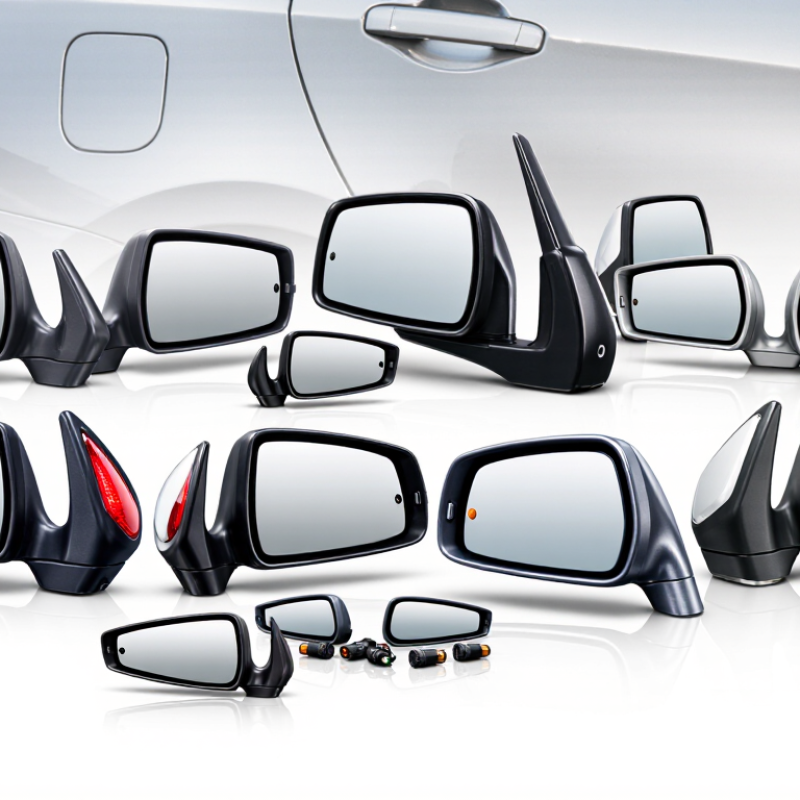
A replacement mirror is more than a glass panel on a small hatchback. Toyota Yaris versions can use manual or electrically adjusted mirrors, depending on year and trim. Check the car’s model year, door connector, mounting points, and adjustment controls before choosing a part. The wrong plug may look close, yet fail to connect.
Some mirrors include a heating element to clear light fog, while others add a turn indicator or a folding mechanism. These features are not universal. Convex glass widens the view, but objects can appear smaller and farther away. Take a moment to judge the gap. A mirror with blind-spot markings may help, though it cannot replace a shoulder check.
When comparing replacement options, inspect the glass shape, housing finish, and whether the unit arrives pre-painted or ready for paint. A matching housing can still have different wiring. That detail is easy to miss. I would verify the original mirror’s functions and connector before ordering, then compare them with the replacement listing. Fitment descriptions can be imperfect, so a photo of the connector and base is often more useful than a broad compatibility claim.
A replacement mirror can look correct online and still fail to fit your hatchback. Check the exact model year before ordering, since body shape and mounting points can change between generations. Then confirm the trim level. Some versions have power adjustment, heating, turn signals, or a painted cap; others use a simpler assembly. A photo helps, but it cannot confirm the connector or wiring. Compare the part number, plug shape, and mounting-stud pattern with the mirror already fitted.
Tips: Fold the mirror inward and inspect its base. Count the electrical pins, note any visible signal lamp, and photograph the door-side connector. Keep the old mirror until the replacement is installed and tested.
Do not rely on “fits this model” alone. Check the year, body style, and left- or right-hand side, especially if the vehicle was sold in another market. Confirm whether the glass, cover, and adjustment mechanism are included; “mirror assembly” can mean different things. Before removing the old unit, test its adjustment and indicators. Compare the new connector without forcing it. A small mismatch matters. Even careful checks can miss a detail, so verify the listing with the seller if the connector or features are unclear.
Comparing ten replacement mirrors for a compact hatchback means checking fitment before price. S&P Global Mobility reported that the average age of U.S. light vehicles reached 12.6 years in 2024. Older cars often need parts matched to their exact year and trim. Fit matters most. Confirm the side, mounting points, electrical connector, and mirror functions. A power-adjustable mirror will not replace a manual unit without the right wiring.
A useful comparison separates mirrors by glass, housing, and features. Look for clear, stable glass, a rigid backing plate, and a housing that sits flush against the door. Heated glass, turn signals, and power folding add convenience, but only when the car supports them. Check the connector shape and count its pins before ordering. Small details count. Listings can look identical while using different plugs.
For a fair top-ten comparison, rank each option by verified fitment, included hardware, adjustment range, and warranty clarity. The Auto Care Association’s 2024 Joint Channel Forecast estimated the U.S. automotive aftermarket at about $535 billion for 2024; that broad figure shows the scale of replacement-parts demand, not mirror quality. Treat seller claims cautiously. I would also inspect the returned part beside the original before installation; it is a simple check, though easy to skip.
| # | Replacement configuration | Adjustment | Heated glass | Turn-signal lamp | Folding | Best suited for | Check before buying |
|---|---|---|---|---|---|---|---|
| 1 | Manual-adjust replacement mirror | Manual | Usually not included; verify listing | Usually not included; verify listing | Manual, if designed to fold | Cars originally equipped with manual mirror adjustment | Mounting points, side, and adjustment mechanism |
| 2 | Power-adjust replacement mirror | Electric | Not included unless specified | Not included unless specified | Typically manual; confirm design | Cars with an in-cabin electric mirror control | Connector shape, pin count, and original equipment |
| 3 | Power-adjust, heated-glass mirror | Electric | Yes, when specified | Not included unless specified | Typically manual; confirm design | Vehicles originally fitted with mirror heating | Heating wiring and connector compatibility |
| 4 | Power-adjust mirror with integrated signal lamp | Electric | Not included unless specified | Yes, when specified | Typically manual; confirm design | Vehicles whose original mirror has a signal lamp | Lamp wiring, connector, and housing shape |
| 5 | Power-adjust, heated mirror with signal lamp | Electric | Yes, when specified | Yes, when specified | Typically manual; confirm design | Vehicles originally equipped with both features | Confirm every wire and function matches the original |
| 6 | Manual-fold replacement mirror | Manual or electric, depending on version | Varies by configuration | Varies by configuration | Folds by hand | Drivers who need a mirror that can be folded in by hand | Fold joint, mounting base, and feature match |
| 7 | Power-folding replacement mirror | Electric adjustment; powered folding if supported | Varies by configuration | Varies by configuration | Electric, only on compatible versions | Vehicles originally equipped with powered folding | Folding motor, switch, wiring, and connector |
| 8 | Primed, paint-ready mirror assembly | Depends on selected assembly | Depends on selected assembly | Depends on selected assembly | Depends on selected assembly | Buyers who want the exterior cap painted to match | Paint preparation, cap inclusion, and full feature list |
| 9 | Textured black-cap mirror assembly | Depends on selected assembly | Depends on selected assembly | Depends on selected assembly | Depends on selected assembly | Buyers who prefer an unpainted or dark exterior finish | Confirm cap finish, included parts, and fitment |
| 10 | Complete replacement assembly with matching functions | Match to original mirror | Match to original mirror | Match to original mirror | Match to original mirror | Buyers replacing the whole unit rather than only the glass or cap | Included glass, cap, wiring, mounting points, and side |
Fitment and available mirror features vary by model year, market, trim, and original equipment. Before ordering, confirm the vehicle’s model year, left or right side, mounting pattern, connector, and mirror functions; comparing the replacement with the original part or its part number can help verify compatibility.
Compare replacement mirrors by fit, glass quality, adjustment method, and housing durability. A sharp, undistorted reflection matters more than a glossy shell. Check whether the glass is flat or convex; convex glass shows more area but makes distant vehicles appear smaller. Heated glass can clear frost, while power adjustment helps with quick positioning. Confirm the connector, mounting points, and available functions against the vehicle’s original mirror. A mismatched plug can turn a simple installation into a frustrating repair.
The National Highway Traffic Safety Administration’s 2014 rear-visibility rulemaking analysis estimated that rearview camera requirements could prevent 58 to 69 deaths annually. That estimate concerns cameras, not replacement mirrors, but it underlines the value of clear visibility. Treat it as context, not proof that one mirror type is safer. Materials matter, too: a sturdy backing and well-sealed housing may better resist vibration and water, though fit and installation quality still count.
Tip: Match before buying. Compare the mirror’s part number, plug shape, glass features, and mounting pattern. Photograph the old connector first. Small details are easy to overlook, and listings can be incomplete. I would not assume “direct fit” guarantees every feature; verify heated glass, turn indicators, or power folding separately. A few minutes checking compatibility can prevent a second purchase.
A replacement mirror should match the car’s year, body style, connector, and adjustment features—not merely its shape. Check whether the original unit is manual, electric, heated, or fitted with a turn signal. Compare the mounting points and plug before ordering; a similar-looking part can still leave a gap or fail to connect. Small detail. Note the glass curvature, too, since it affects how much of the next lane you can see.
Installation starts with protecting the door trim and disconnecting the battery when working near powered wiring. Remove the interior cover carefully, support the mirror, then loosen its fasteners; forcing brittle clips can create a second repair. After fitting the replacement, adjust the glass from the driver’s seat and check the view from normal driving posture. NHTSA’s Federal Motor Vehicle Safety Standard No. 111 sets rear-visibility requirements for vehicles, but correct fitment alone does not guarantee a useful field of view. IIHS research by HLDI’s David Kidd and colleagues found blind-spot monitoring was associated with 14% fewer lane-change crashes and 23% fewer injury lane-change crashes. That is a separate technology, not a benefit of ordinary replacement glass. Recheck the mirror after a short drive; the angle may feel slightly off at first.

