Top 10 Benefits of Using Marine USB Chargers for Boating?
In the world of boating, having reliable power sources is essential. A Marine Usb Charger is not just a convenience; it brings numerous advantages for boaters. These chargers are specifically designed to withstand harsh marine environments. They offer safety features, such as waterproofing and short-circuit protection. Imagine enjoying your favorite music while sailing, thanks to the dependable power of a quality charger.
Marine USB Chargers can also enhance your boating experience. They ensure that your devices remain charged, allowing for navigation, communication, and entertainment. Boaters often rely on smartphones and tablets for various tasks. Missing a charge can lead to frustration and wasted time. A reliable charger eliminates these concerns.
However, not all Marine USB Chargers are created equal. Some may fall short in terms of performance or durability. It's important to choose wisely and consider brands with a proven track record. Reflecting on the need for proper equipment can help avoid stressful situations on the water. Investing in a Marine USB Charger can ultimately transform your boating adventures.
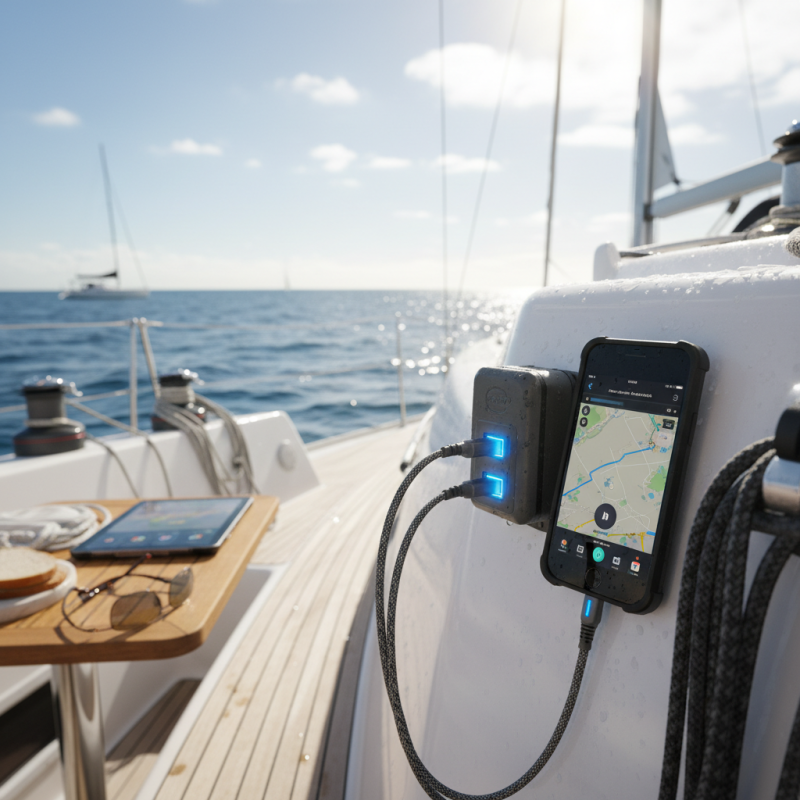
Overview of Marine USB Chargers: Features and Specifications
Marine USB chargers are essential for today's boaters. These chargers offer unique features tailored to the marine environment. They often come with waterproof casings, providing extra protection against splashes and rain. Many are built with a robust design, allowing them to withstand vibrations common on boats.
Specifications vary among models. Some chargers deliver higher amperage, allowing faster charging. A good marine USB charger typically includes multiple ports, enabling users to charge multiple devices at once. Compatibility with various devices is crucial, as boaters use smartphones, tablets, and GPS systems. Having the right charger makes life easier.
However, not all chargers are created equal. Some may overheat or fail in harsh conditions. Researching user reviews can guide buyers. It's vital to choose chargers that are reliable over time. Boating is an adventure, and having dependable equipment is key. Inadequate chargers can lead to frustrating situations. It's important to reflect on choices before making a purchase.
Enhanced Durability: Weatherproofing and Corrosion Resistance
Marine USB chargers provide crucial advantages for boating enthusiasts. One standout benefit is their enhanced durability. These chargers are designed specifically to withstand harsh maritime environments. With waterproof ratings often achieving IP67 or higher, they resist water ingress effectively. This feature is essential for compatibility with various boating conditions, whether it’s sudden rain or splashes from waves.
Corrosion resistance is another critical element. According to industry reports, nearly 60% of boat electrical failures are linked to corrosion. Marine USB chargers typically employ materials like marine-grade aluminum or specialized coatings to combat this issue. Such materials extend their lifespan by preventing rust and deterioration. This durability translates to decreased maintenance costs and improved reliability.
Moreover, the use of quality marine USB chargers can be economically beneficial. A study revealed that investing in high-quality chargers can reduce replacement frequency by up to 40%. Mindfully chosen marine USB chargers not only enhance performance but also alleviate potential frustrations on the water. However, some users may overlook these details, opting for cheaper alternatives. This choice can lead to regret down the line, including frequent replacements or operational failures.
Top 10 Benefits of Using Marine USB Chargers for Boating
| Benefit | Description |
| Enhanced Durability | Designed to withstand harsh marine environments, resisting weather and corrosion. |
| Quick Charging | Supports rapid charging, allowing devices to charge faster while on the water. |
| Multiple Ports | Equipped with multiple USB ports to charge several devices simultaneously. |
| Compact Design | Space-saving design suitable for limited areas on boats. |
| Easy Installation | Simple to install in existing setups, making upgrades hassle-free. |
| LED Indicators | Includes LED indicators to show charging status and power availability. |
| Universal Compatibility | Compatible with a wide range of devices, from smartphones to tablets. |
| Safety Features | Incorporates safety mechanisms to protect against overcharging and overheating. |
| Cost-Effective | Provides an economical way to keep devices powered on long trips. |
| Environmentally Friendly | Many models are designed with eco-friendly materials and energy-efficient technology. |
Convenience of Charging Multiple Devices Simultaneously
Marine USB chargers have revolutionized the way boaters manage their devices. The ability to charge multiple devices simultaneously is a key feature that stands out. Whether it’s smartphones, tablets, or GPS devices, staying connected is essential. At sea, having various communication tools is vital for safety and navigation. Marine USB chargers cater to this need perfectly.
When on a boat, the last thing you want is a dead device. A well-placed USB charger allows for convenient access. You can charge your phone while your friend powers up their tablet. This setup enhances the overall experience on the water. It reduces the frantic search for power outlets. Yet, not all chargers are created equal. Selecting the right marine charger requires attention to detail. Look for features that ensure durability and water resistance.
Moreover, a common oversight is thinking all USB chargers can handle harsh marine conditions. Corrosion and moisture can damage cheaper models. Investing in quality not only provides performance but also peace of mind. Sometimes, it’s easy to underestimate the importance of reliable charging. Reflecting on past boating experiences can show the impact of staying powered up. Being proactive leads to safer and more enjoyable outings.
Energy Efficiency: Lower Power Consumption for Longer Trips
Marine USB chargers provide significant energy efficiency advantages for boating enthusiasts. Using advanced technology, these chargers can reduce power consumption effectively. According to recent studies, the boating industry estimates that energy-efficient devices can prolong trips by up to 30%. This is especially beneficial for those who enjoy extended journeys on the water. Less energy used means more time exploring without worrying about battery life.
Furthermore, data from the National Marine Manufacturers Association indicates that nearly 75% of boaters prioritize energy-efficient solutions. This preference drives manufacturers to innovate continuously. Marine USB chargers often integrate smarter systems, ensuring minimal energy waste. However, some users may overlook installation complexities that could compromise efficiency. A proper understanding of marine electrical systems is crucial for maximizing the benefits.
Choosing the right charger isn’t just about energy savings. Boaters should also consider compatibility with their existing systems. While many chargers promise efficiency, the actual gains can vary. Investing in high-quality components will require upfront effort, yet the rewards manifest in saved energy and extended boating adventures. Such reflections are essential to enhance overall user experience on the water.
Safety Features: Protection Against Overcurrent and Short Circuits
When boating, safety is paramount. One of the key features of marine USB chargers is their built-in protection against overcurrent. This means they can automatically adjust to prevent excessive current from flowing, avoiding equipment damage or fire hazards. Such protection is essential, especially in unpredictable marine environments, where electric issues can escalate quickly.
Short circuits can also pose significant risks on a boat. Marine USB chargers are designed to minimize this risk. They often include fuses and circuit breakers that trip when a fault is detected. These safety features can save lives and prevent costly repairs to your electrical systems. Regular inspections and maintenance can enhance their reliability, ensuring that you are always prepared.
Despite these advanced protections, it's important to acknowledge that no system is infallible. Human error or unexpected conditions can still compromise safety. Boaters should remain vigilant and monitor their charging systems regularly. Staying informed about the limitations of these chargers is crucial for ensuring sustainable and safe boating experiences.
Top 10 Benefits of Using Marine USB Chargers for Boating