Top Battery Connector Types for Global Buyers What to Know?
In today’s fast-evolving technology landscape, the significance of Battery Connectors cannot be overstated. According to a recent market report by Fortune Business Insights, the global battery connector market is projected to reach USD 3.4 billion by 2026, driven by the growth of electric vehicles and renewable energy sectors. Battery Connectors play a crucial role in ensuring efficient power distribution and safety across various applications.
As electric mobility rises, manufacturers face challenges in selecting the right Battery Connector types. Factors such as voltage requirements, physical size, and environmental conditions complicate the decision-making process. With over 1,000 types available, understanding the specifications and performance criteria is vital. It is not just about choosing a connector; it’s about ensuring reliability and longevity.
Furthermore, the industry lacks standardized testing protocols for Battery Connectors. This gap may lead to varying performance outcomes, making it imperative for buyers to conduct due diligence. While data guides decisions, understanding specific needs is equally essential. This complexity underscores the importance of informed choices, as the wrong connector choice can lead to failures and safety hazards. Navigating this landscape requires expertise and careful consideration.
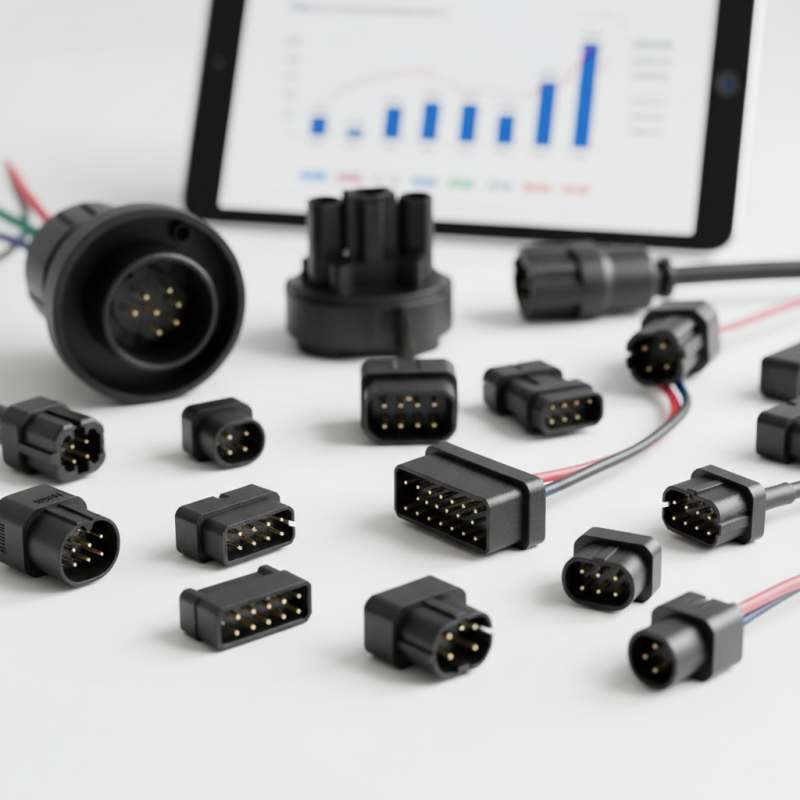
Overview of Battery Connector Types for Global Markets
Battery connectors play a critical role in the efficiency and safety of power systems. These connectors come in various types, each designed for specific applications. Among the most common are spade connectors, barrel connectors, and bullet connectors. Spade connectors allow for quick connections. They are often used in automotive and industrial applications. Barrel connectors, on the other hand, provide a stable connection for portable devices. They are popular in consumer electronics.
As global markets expand, the demand for reliable battery connectors grows. Manufacturers seek durable and efficient solutions. This is vital for ensuring the longevity of electronic devices. When selecting connectors, consider factors like current rating and environmental conditions. Improper choices can lead to connection failures. It's crucial to understand the unique requirements of each application.
Compliance with international standards is essential. This ensures the connectors can function in various regions. However, fluctuating standards can lead to confusion. Buyers should keep abreast of the latest trends and regulatory changes. Understanding the specific needs of your market will yield better results. Reflecting on these factors can ultimately enhance the quality of your projects.
Key Factors Influencing Battery Connector Selection
When selecting battery connectors for various applications, several key factors come into play. The voltage and current ratings are critical. These specifications ensure the connectors can handle the required load without overheating or failing. Additionally, the operating environment matters. Connectors must resist moisture, dust, and extreme temperatures. Choices vary based on specific requirements, yet the right balance is essential for optimal performance.
Compatibility is another essential consideration. Connectors should align with the battery types and devices they will connect. Poor compatibility can lead to poor performance or even damage. Durability is also vital. Lifespan and resistance to wear and tear impact the total cost over time. Buyers must assess not just the initial investment but long-term reliability.
A common challenge arises from the myriad of options available. Not all connectors work for every application, and choosing incorrectly can incur costs. Users must weigh available options and consider technical specifications carefully. Seeking expert advice can mitigate risks and enhance decision-making. With the right approach, selecting battery connectors can become a more straightforward task.
Popular Battery Connector Types: Features and Applications
In the ever-evolving battery technology landscape, understanding various connector types is crucial for global buyers. Popular battery connector types include Anderson connectors, Molex connectors, and XT60 connectors. Each has distinct features and applications, catering to different needs in electronics.
Anderson connectors are known for their high current capacity and ease of connection. They are commonly used in renewable energy systems and electric vehicles. According to industry reports, the demand for Anderson connectors is expected to grow, driven by the increase in sustainable energy projects. They can handle currents up to 350A, making them suitable for high-performance applications.
Molex connectors, on the other hand, are versatile and widely used in consumer electronics. Their modular design allows for scalability in various devices. Data indicates that Molex connectors hold approximately 20% of the global connector market share. Their simple push-pull mechanism ensures a secure connection but may not offer the same current ratings as others.
When assessing connector types, it's vital to reflect on their specific applications and limitations. While connectors should provide reliability, compatibility issues can arise. Not every connector type suits every application, making the selection process crucial for optimizing performance. As technology advances, staying informed about connector innovations will greatly impact user choices.
Top Battery Connector Types for Global Buyers What to Know?
| Connector Type | Features | Applications |
| Molex Connectors | Compact size, High current rating, Versatile. | Consumer electronics, Automotive, Industrial equipment. |
| JST Connectors | Low profile, Easy to assemble, Wide range of pin counts. | Battery packs, Robotics, Motion control. |
| Anderson Powerpole | Modular design, Color-coded, High electrical capacity. | Emergency power systems, Electric vehicles, Solar energy systems. |
| XT60 Connectors | Durable, High reliability, Designed for RC applications. | Drones, Remote control vehicles, Robotics. |
| Neutrik PowerCon | Locking mechanism, Rugged design, High current capacity. | Audio equipment, Stage lighting, Heavy machinery. |
Compatibility Considerations for Global Battery Connections
When considering battery connections, compatibility is key for global buyers. Different regions may have distinct standards and practices. It's essential to be aware of these variations when selecting connectors. For instance, while some regions favor specific pin layouts, others prioritize different voltage ratings. Understanding these nuances can streamline the purchasing process.
The complexity of battery connector types can lead to confusion. Buyers must ensure that the connectors match the intended application. A wrong choice could cause malfunction or damage. It's crucial to consider factors like material, size, and insulation type. Additionally, always review specifications carefully. This helps avoid issues related to compatibility.
Moreover, feedback from users can highlight potential pitfalls. Sometimes, connections work in theory but fail in practice. Engage with communities or forums to gather insights. This can illuminate common mistakes and best practices. Adapting to global standards requires vigilance and ongoing learning in the dynamic battery market.
Future Trends in Battery Connector Technology and Design
The landscape of battery connector technology is evolving. New designs emphasize compactness and efficiency. According to industry reports, the market for battery connectors is projected to grow at a CAGR of 7% from 2023 to 2030. This growth indicates rising demand across various sectors, including electric vehicles (EVs), renewable energy, and consumer electronics.
Emerging trends highlight the shift towards higher voltage systems. Battery connectors must handle increased energy levels safely. This need for durability and reliability drives innovations in materials and manufacturing processes. Research shows that connectors made from advanced polymers are gaining traction. These materials offer better thermal stability and lower weight, which can improve overall system efficiency.
While advancements are promising, challenges remain. Notably, the standardization of battery connector types poses difficulties for manufacturers. Different industries often favor unique designs, leading to compatibility issues. As the global market continues to expand, ensuring interoperability will be crucial. Developing universal standards could enhance system integration and user convenience, yet achieving this consensus may take time.