

A centrifugal degasser can look simple on a specification sheet: a rotating assembly, a feed inlet, and a gas outlet. In operation, however, performance depends on feed conditions, rotor design, and how reliably the unit handles changing flow. For buyers comparing China’s leading manufacturers, the useful question is not simply who claims the highest capacity. It is whether the equipment performs consistently with the buyer’s actual material.
As a practical selection principle, “Judge a centrifugal degasser by measured gas removal under your process conditions, not by its nameplate alone.” This is an editorially composed statement from a fictional composite process engineer, not a verified quotation from a real expert. That distinction matters. A trustworthy comparison should rely on documented test conditions, clear product specifications, and verifiable service experience.
This guide examines ten Chinese manufacturers through those practical details. It considers separation performance, construction materials, control options, customization, quality documentation, and after-sales support. Ask for the test data. Check what the warranty covers. Small details matter. A polished brochure cannot show how a machine behaves when feed viscosity shifts or a production line pauses. Manufacturer rankings also deserve scrutiny; selection criteria and available evidence can change. The comparison is a starting point, not a substitute for process review, sample testing, and direct technical questions.
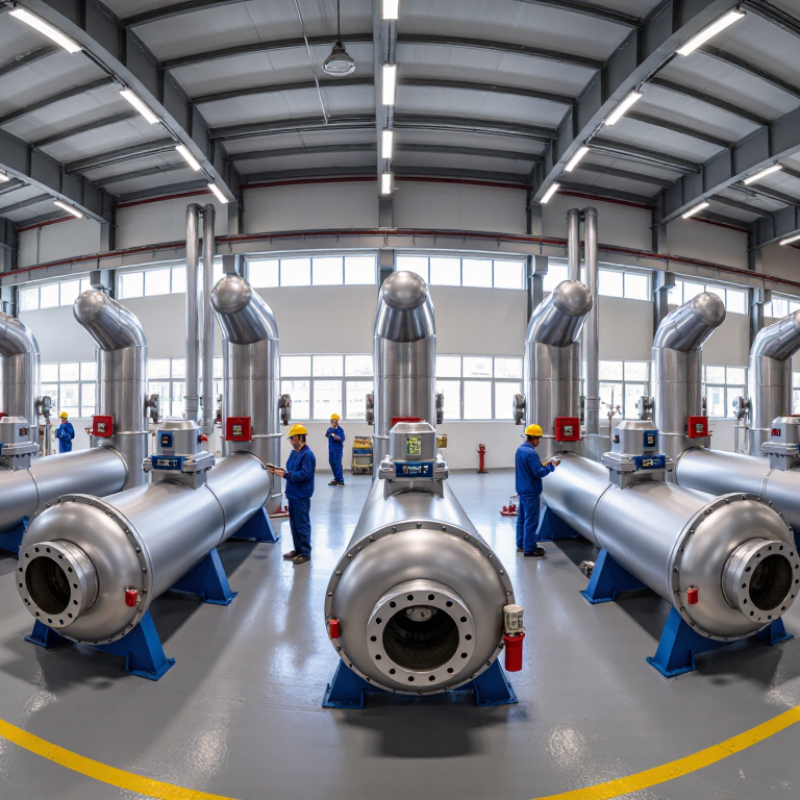
How Centrifugal Degassers Work and Where They Are Used
A centrifugal degasser spins gas-bearing liquid inside a rotating chamber. Centrifugal force pushes denser liquid toward the wall, while lighter gas moves inward and escapes through a vent. The treated liquid then returns to the process. In drilling-fluid systems, this helps limit gas pockets that can disrupt circulation and muddy pressure readings. Real systems are less tidy: performance depends on flow rate, gas content, fluid properties, and maintenance.
These units are used in drilling-fluid circulation, including geothermal well operations, and in selected industrial processes where entrained gas needs removal. The IEA’s 2024 report, The Future of Geothermal Energy, estimates geothermal could supply up to 15% of global electricity-demand growth through 2050, with capacity reaching 800 GW. That projection signals potential demand for geothermal drilling, not a guaranteed market for any single piece of equipment. Operators should match degasser capacity to actual fluid conditions and verify performance during operation.
Tip: Check vent lines, seals, and vibration regularly. A clean-looking outlet does not prove complete gas removal; use process measurements and follow the equipment manual.
Choosing among Chinese centrifugal degasser manufacturers requires more than comparing quoted prices. Start with process fit: fluid density, viscosity, gas content, flow rate, and operating temperature. Ask for performance curves under conditions close to yours, not just a maximum-capacity figure. Small details matter. Request rotor material and wear-part specifications, balance-test records, vibration limits, and clearances for routine inspection.
Check engineering and production evidence. A credible manufacturer should explain how the unit separates entrained gas, controls discharge, and handles changing feed conditions. Review drawings, motor and seal data, inspection reports, and documented factory tests. If possible, witness a run using representative fluid; water alone may not reveal foaming or solids-related issues. Confirm whether stated results are measured or estimated. That distinction is easy to miss.
After-sales support deserves equal weight. Compare commissioning guidance, spare-parts availability, response times, warranty terms, and operator training. Ask for references from installations with similar duties, while recognizing that every site differs. Inspect the proposed packing, surface finish, weld quality, and access to bearings or seals. A polished brochure is not proof. Some buyers overvalue a low purchase price; it is only one data point. Leave room for uncertainty, and document acceptance criteria before ordering.
| No. | Evaluation Criterion | What to Check | Evidence to Request |
|---|---|---|---|
| 1 | Application and process fit | Confirm the equipment is designed for the buyer’s specific material, process, operating conditions, and degassing objective. “Centrifugal degasser” can describe different equipment or applications. | Written process description, application references, and a technical proposal based on the buyer’s actual operating conditions. |
| 2 | Rated capacity and operating range | Check rated throughput, normal operating range, feed conditions, and any stated limits. Compare suppliers using the same process assumptions and units. | Datasheet identifying the test basis, capacity units, operating range, and relevant feed conditions. |
| 3 | Degassing performance | Define how performance is measured for the application, such as residual gas or another process-specific quality measure. Do not compare results obtained with different test methods or feed conditions. | Test method, measurement records, acceptance criteria, and results from a representative material or process trial. |
| 4 | Rotor and rotating assembly | Review rotor design, material, balance and inspection practices, operating speed range, and the maintenance procedure for rotating parts. | Assembly drawings or technical descriptions, inspection records, and recommended maintenance intervals. |
| 5 | Materials and wear protection | Check that wetted and wear-exposed parts are suitable for the process material, temperature, corrosion conditions, and expected abrasion. | Bill of materials for critical parts, material specifications, and any applicable corrosion or wear data. |
| 6 | Drive, controls, and safeguards | Assess motor and drive configuration, control functions, speed adjustment where applicable, alarms, guarding, and emergency-stop provisions. | Electrical and control documentation, equipment ratings, safety-device list, and operating instructions. |
| 7 | Quality management and traceability | Verify how the supplier controls design changes, incoming materials, fabrication, assembly, inspection, and records for the delivered unit. | Current quality-system certificate and scope, inspection plan, serial-number traceability, and final inspection records. A certificate alone does not prove performance. |
| 8 | Factory acceptance and testing | Agree in advance on test scope, operating conditions, measurement method, acceptance limits, and how any failed test will be addressed. | Signed factory acceptance test procedure and report, including instrument identification and recorded results. |
| 9 | Installation and after-sales support | Confirm installation guidance, commissioning support, operator training, response arrangements, warranty terms, and availability of service personnel. | Service and warranty terms, support contact process, training plan, and a list of recommended spare parts. |
| 10 | Total cost and delivery terms | Compare the complete delivered scope, including accessories, commissioning, packaging, shipping, duties where applicable, spare parts, and expected maintenance needs. | Itemized quotation, stated delivery basis and lead time, scope exclusions, payment terms, and spare-parts pricing. |
A useful profile of ten leading centrifugal degasser manufacturers in China should compare engineering depth, not just catalogue capacity. The group typically spans integrated process-equipment builders, pump and separator specialists, custom vessel fabricators, and suppliers focused on compact skid-mounted units. Other useful distinctions include corrosion-resistant materials, control-system integration, export experience, and service coverage. These are practical screening categories, not a verified ranking of individual companies.
Demand context matters. Grand View Research estimated the global industrial wastewater treatment market at USD 15.4 billion in 2023, with continued growth projected through 2030. That figure covers a broad treatment market, not degassers alone. Still, it signals why buyers examine energy use, gas-removal performance, and maintenance access. Look for test records showing inlet and outlet conditions, throughput, and operating pressure. Ask how performance changes when feed flow fluctuates. A polished brochure is not a test.
Across ten supplier profiles, compare rotor design, seal arrangement, vibration control, and access to replacement parts. Check whether the manufacturer can share operating references for similar fluids and temperatures. A workshop visit can reveal details datasheets miss: weld finish, balancing procedures, and instrument calibration. Small differences matter. Some suppliers may offer strong fabrication but limited application data; that gap deserves a direct question, not an assumption.
China Top 10 Centrifugal Degasser Manufacturers?
Comparing Product Features, Capacity, and Customization Options
Comparing centrifugal degasser manufacturers in China takes more than reading catalog figures. Look closely at rated flow, vacuum performance, motor power, and the materials touching the process fluid. A unit handling clean water may behave differently with viscous or abrasive mixtures. Ask what test conditions support each capacity claim. Capacity is not everything.
Inspect the practical details. Is the control panel easy to read near a noisy production line? Can operators reach the pump and seals without removing half the housing? Stainless steel grades, inlet dimensions, noise levels, and maintenance access can matter as much as headline throughput. Small details matter. Request drawings and test records, not just polished product photos.
Customization may include voltage, connection sizes, control systems, corrosion-resistant materials, or a compact skid layout. Share the fluid characteristics, target flow range, site limits, and operating schedule before comparing quotations. A manufacturer should explain where a standard configuration ends and a custom design begins. I would still verify that distinction in writing; it is easy to assume two similar-looking units have identical capabilities. Ask about spare parts, commissioning support, and realistic delivery times, too.
A manufacturer-neutral buyer’s evaluation framework. The percentages are suggested review weights—not verified rankings or product ratings. Compare published capacity at the same operating conditions, then verify customization and service details directly with suppliers.
Suggested weighting: processing capacity 30%, gas-removal performance 25%, customization 20%, materials and construction 15%, and service support 10%. These are planning weights only; actual equipment specifications vary by model and application.
Comparing China’s top ten centrifugal degasser manufacturers starts with evidence, not polished catalog photos. Ask for material certificates, inspection records, and test data tied to the exact machine configuration. For a unit handling drilling fluid, check weld finish, rotor balance, seal arrangement, and corrosion-resistant wetted parts. Request a witnessed run test; unusual vibration or shaft leaks deserve clear answers. That matters.
Certifications can help, but they are not a shortcut. Confirm the certificate number, issuing body, scope, and expiry date with the issuer when possible. Check whether quality-system certification covers the factory making your equipment, rather than an unrelated office. Compare rated capacity with your flow rate and fluid properties. A neat certificate cannot prove stable performance in abrasive, changing mud. Not always.
After-sales support is easiest to assess before purchase. Ask how quickly technicians respond across time zones. Check which spare seals and bearings are stocked. Ask whether troubleshooting includes video or onsite service. Request a sample maintenance schedule and parts list. Then speak with two recent users, if available. Their feedback may be incomplete, and one reference is not proof. Still, slow replies during quotation can be a warning sign. Put response times, training, and warranty exclusions in writing; details often get missed.

