

Choosing a reliable supplier of Car Wiper Blades involves more than comparing unit prices. Buyers need to assess wiping performance, material quality, production capacity, and support after delivery. A blade that leaves a narrow film across the windshield may be unsuitable, even if its price looks attractive. Small details matter.
This guide introduces ten manufacturers serving international buyers. It considers product range, manufacturing experience, export readiness, and the practical needs of different vehicle markets. Some suppliers focus on beam blades, while others offer conventional, hybrid, or private-label options. Specifications and availability can change, so confirm current details directly with each company.
There is no universal winner. A fleet operator replacing thousands of blades may prioritize consistent supply and clear quality controls. A distributor may care more about packaging choices, minimum order quantities, and responsive communication. Product fit matters, too. Check connector compatibility, blade length, and vehicle coverage before placing an order.
The comparisons are intended as a starting point, not a substitute for testing. Ask for samples when possible. Examine how evenly a blade contacts the glass, especially near the windshield’s edges. Then review warranty terms and delivery expectations in writing. That takes time. It can prevent avoidable returns.
Manufacturer information may be presented differently across company websites and trade sources. Some claims are difficult to compare directly. Buyers should verify certifications, production capabilities, and regional support independently. Use the profiles that follow to build a shortlist suited to your market, then make the final decision against your own specifications and purchasing requirements.
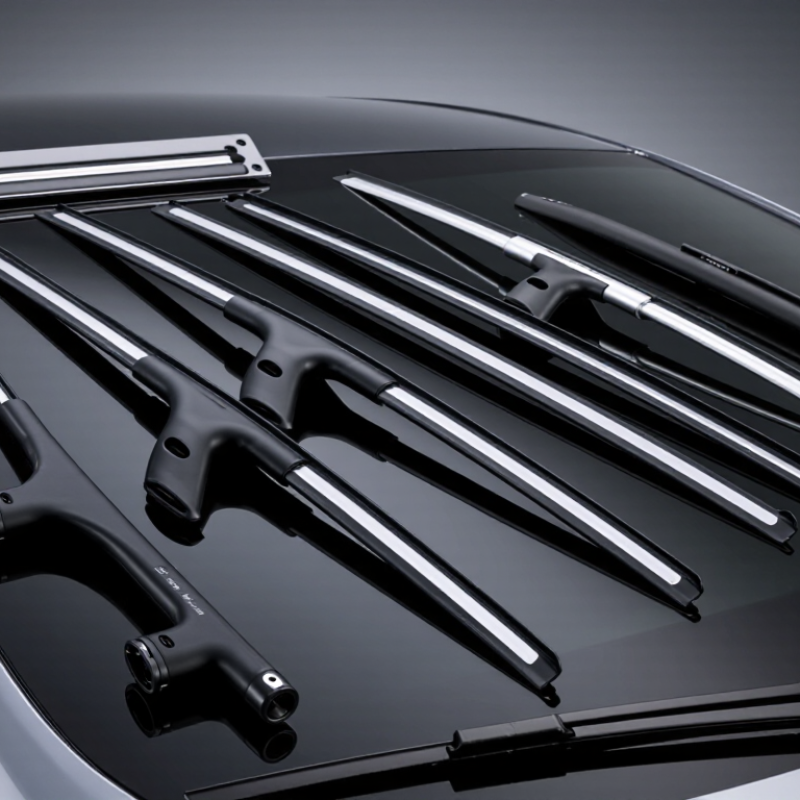
A car wiper blade manufacturer for global buyers must offer more than a low quotation. It should explain rubber compound choices, frame or beam construction, and performance across heat, cold, dust, and heavy rain. Fitment data matters too. A buyer should be able to check vehicle compatibility, connector type, blade length, and replacement instructions before shipment. Small errors become costly when thousands of blades reach different markets.
Scale adds pressure.
OICA reported 93.5 million motor vehicles produced worldwide in 2023
That figure does not measure wiper demand directly, but it highlights why manufacturers need controlled production and dependable fitment records. Buyers can ask for documented quality procedures, batch traceability, durability-test methods, and clear defect-handling terms. Ask for test conditions, not just a pass claim. A supplier’s samples may perform well, while later batches vary; this deserves honest scrutiny.
Packaging, delivery consistency, and technical support also matter when products serve several climates and vehicle types. A capable manufacturer makes its limits visible, too.
A dependable wiper blade manufacturer should demonstrate consistent performance across changing weather, not just offer a broad catalog. Ask how blades are tested for streaking, chatter, pressure distribution, and wear after repeated use. Request test conditions and results; vague claims are difficult to compare. Ask for evidence.
Fitment accuracy matters. Check whether the manufacturer can verify vehicle applications, connector types, and blade dimensions, then review sample parts against your own requirements. A blade that looks correct may still sit unevenly on a curved windshield. Fit matters. Inspect the rubber edge, frame joints, and packaging for clear product identification.
Evaluate quality controls, production capacity, and communication before placing large orders. Ask how incoming materials and finished blades are checked, and what happens when a batch fails inspection. Reliable suppliers should provide traceable specifications and timely technical answers. Delivery consistency also matters, especially when demand changes seasonally. A low quoted price can hide extra costs from defects, delays, or unclear packaging. Samples help, but one sample cannot predict every production run. I would treat that gap as a real risk, not a minor detail. Reachable support and practical warranty terms can make problems easier to resolve.
A useful profile of ten leading car wiper blade manufacturers should compare more than catalogue size. Buyers can examine blade construction, coating options, connector coverage, testing methods, and documented production capacity. These details matter when a blade must clear water evenly across a curved windshield, rather than chatter or leave a narrow film. Small differences show up quickly in rain.
The scale of vehicle production gives this supplier landscape real weight. The International Organization of Motor Vehicle Manufacturers (OICA) reported about 93.5 million vehicles produced worldwide in 2023. That figure is not a wiper blade sales estimate, but it signals the breadth of original-equipment demand and replacement needs. A profile can therefore note whether a manufacturer serves vehicle makers, distributors, or both. It should also distinguish verified test data from marketing claims. Look for evidence on wiping performance, temperature resistance, and service life. Not every supplier publishes comparable results. That gap deserves attention. A polished catalogue alone cannot prove consistent quality across different climates, vehicle arms, and installation conditions.
Anonymous supplier-profile comparison for buyer research. The profiles below describe common wiper-blade product and manufacturing specializations, not verified rankings or claims about named companies. Confirm product specifications, certifications, production capacity, and market approvals directly with each supplier.
| Profile | Product specialization | Common construction or material | Potential buyer fit | Information to verify with supplier |
|---|---|---|---|---|
| 01 | Conventional frame blades | Articulated metal frame with a replaceable rubber wiping element; designs vary by connector and vehicle fitment. | Buyers seeking broad replacement coverage and familiar, serviceable product designs. | Vehicle application coverage, connector types, refill availability, corrosion protection, and fitment data quality. |
| 02 | Beam-style blades | Frameless, curved spring-steel structure designed to distribute pressure along the wiping edge. | Programs focused on contemporary vehicle applications or a low-profile appearance. | Beam curvature, pressure distribution, adapter compatibility, and performance on the intended windshield shapes. |
| 03 | Hybrid blades | Combines a supporting frame or linkage with an outer aerodynamic cover; exact construction differs by design. | Buyers looking for a blend of frame support and a covered exterior profile. | Construction details, cover durability, attachment system, and application-specific fitment. |
| 04 | Rear-window blades | Short blades and vehicle-specific connectors designed for rear-wiper applications. | Aftermarket distributors and vehicle programs that need rear-wiper coverage alongside front blades. | Rear-arm compatibility, length and connector listings, and the accuracy of vehicle-specific catalogs. |
| 05 | Refill and replacement-element products | Replacement wiping elements are commonly made from rubber compounds; compatibility depends on blade design. | Buyers prioritizing refill availability, service parts, or reduced replacement of complete assemblies. | Compatible blade models, element dimensions, material options, installation guidance, and supply continuity. |
| 06 | Silicone-element product lines | Uses silicone-based wiping elements rather than conventional rubber compounds; formulations and performance vary. | Buyers evaluating alternative wiping-element materials for selected markets or product tiers. | Material specifications, independent test evidence, temperature range, cleaning performance, and warranty terms. |
| 07 | Natural- or synthetic-rubber product lines | Wiping elements may use natural rubber, synthetic rubber, or formulated blends, depending on the product. | Buyers comparing established material options across price points and operating conditions. | Compound description, product test methods, aging and ozone-resistance data, and batch consistency controls. |
| 08 | Vehicle-specific fitment programs | Product range organized around vehicle applications, blade lengths, arm interfaces, and connector adapters. | Importers, distributors, and retailers needing catalog coverage for defined vehicle populations. | Catalog update process, regional vehicle coverage, fitment validation, packaging labels, and cross-reference accuracy. |
| 09 | Private-label and contract manufacturing | Products can be supplied with buyer-specific branding or packaging where the supplier offers these services. | Retailers and distributors building their own product lines or sourcing to a defined specification. | Minimum order quantities, tooling charges, packaging approvals, lead times, intellectual-property terms, and quality agreements. |
| 10 | Original-equipment supply capability | Some manufacturers develop or produce components and assemblies for vehicle programs; capability is supplier- and program-specific. | Buyers assessing suppliers for formal vehicle-maker programs or demanding quality systems. | Customer and program references where disclosable, audited quality certifications, traceability, change control, and validation records. |
Global buyers should compare wiper blade manufacturers by fitment breadth, material consistency, and distribution—not catalogue size alone. OICA reported 93.5 million motor vehicles produced worldwide in 2023, underscoring the scale and variety of vehicles suppliers may need to serve. That figure is not a measure of replacement demand. Still, it shows why buyers should check coverage across vehicle models, climates, and steering configurations. A useful product range includes conventional, beam, and hybrid blades, with clear fitment data and adapters that seat firmly on the arm. Small details matter. A loose connector can turn a routine installation into a return.
Quality is easier to assess when suppliers share test methods, batch traceability, and performance data for wiping, wear, and corrosion. Ask how blades perform after repeated dry cycles and exposure to heat, road grit, or winter chemicals. A polished sample is not enough. Global reach also means reliable regional stock, export packaging that protects rubber edges, and technical support across time zones. Buyers should verify lead times against actual shipping routes and request local warranty procedures. This can be tedious. It is also where comparisons become real. One weakness in many purchasing reviews is treating “global distribution” as proof of dependable service; it is only a claim until delivery records and after-sales response times support it.
Comparing Product Range, Quality, and Global Reach
This 100-point buyer scorecard emphasizes quality and compliance, followed by product range and global reach. It is a non-company-specific evaluation framework for comparing leading manufacturers without presenting brand-level data.
Global buyers should assess wiper blade manufacturers beyond catalog size and low pricing. OICA reported 93.5 million motor vehicles were produced worldwide in 2023. That scale increases demand for stable, traceable replacement parts. S&P Global Mobility reported the average United States vehicle age reached 12.6 years in 2024. Older vehicles create steady replacement opportunities.
A practical supplier review should begin with factory evidence. Request ISO 9001 and IATF 16949 certificates, then verify their validity independently. Examine rubber compound records, steel coating data, mold maintenance, and batch traceability. Ask for test results covering wiping clarity, ozone resistance, temperature cycling, and high-speed performance. Inspect production samples, not only showroom samples. Small details matter. A blade may fit correctly yet leave a narrow water film after several cycles.
Compare suppliers using measurable criteria: defect rate, warranty claims, monthly capacity, minimum order quantity, lead time, tooling ownership, and packaging protection. Grand View Research identifies automotive aftermarket growth as a key demand driver, but forecasts cannot replace factory verification. A polished audit can still miss inconsistent rubber curing or weak connector tolerances. Buyers should repeat inspections after large orders. That extra cost may prevent costly returns. It is also wise to request references from comparable markets, although references can be selective. A reliable manufacturer explains failures openly, provides corrective-action reports, and accepts reasonable independent testing before shipment.

