What is a Single Stage Compressor and How Does It Work?
A Single-Stage Compressor is a crucial component in various industrial applications. It efficiently compresses air or gas in a single cycle. Understanding its design and functionality is essential for both engineers and users. This type of compressor excels in delivering increased pressure with minimal energy use. However, it may present limitations for some high-demand scenarios.
Single-Stage Compressors are typically simpler and lighter than multi-stage systems. Their straightforward design often leads to ease of maintenance. Users can quickly identify issues, which promotes reliability. Nevertheless, this simplicity can also lead to less flexibility in specific operations.
Exploring the mechanics of a Single-Stage Compressor reveals its inner workings. While it can efficiently handle specific tasks, users must recognize its boundaries. Understanding these aspects is vital for optimizing performance and ensuring longevity. By evaluating both strengths and weaknesses, users can make informed decisions.
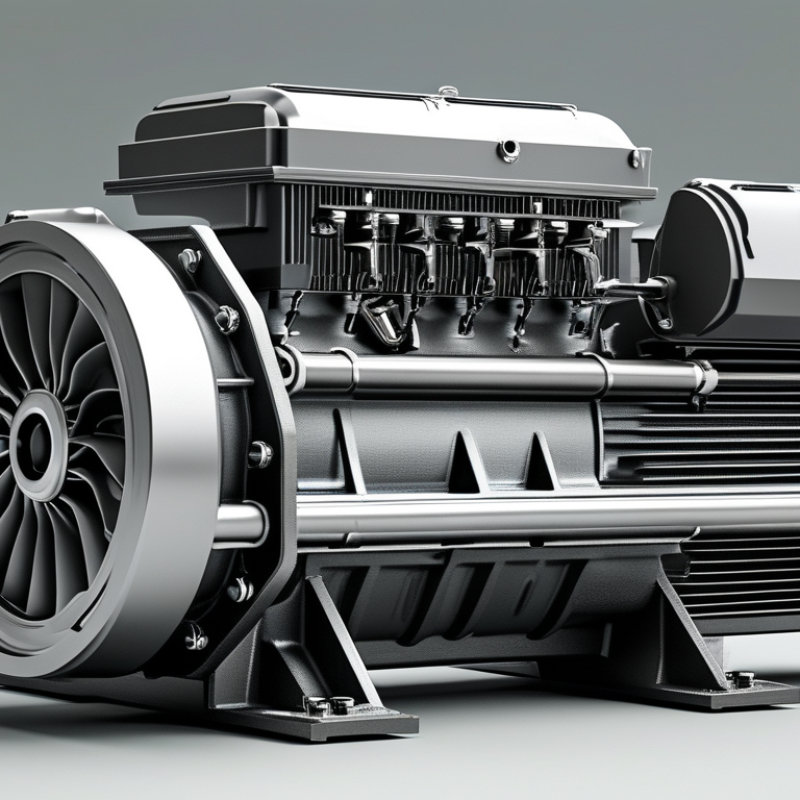
What is a Single Stage Compressor: Definition and Overview
A single stage compressor is a device used to compress air or gas. It operates on a simple principle: air enters the compressor through an inlet, and a rotating mechanism compresses it in one stroke. This design is efficient for low-pressure applications and provides an effective solution for various industries including manufacturing.
The main components include an inlet valve, a compression chamber, and an outlet valve. As air fills the chamber, the rotors reduce its volume, increasing pressure. This process produces compressed air that can power tools and equipment. It is crucial to consider the capacity of your compressor, as overloading can lead to inefficiencies and potential mechanical failure.
While single stage compressors are straightforward, they do have limitations. They are not ideal for very high-pressure tasks. Users must also pay attention to maintenance needs. Regular oil checks and filter replacements keep the compressor running smoothly. Understanding these aspects can help in making informed decisions regarding usage and care.
What is a Single Stage Compressor and How Does It Work?
| Parameter | Description |
| Definition | A single stage compressor is a device that compresses air or gas in a single cycle. |
| Applications | Used in refrigeration, pneumatic tools, and small scale manufacturing. |
| Working Principle | Air enters the compressor, is compressed in a single stage, and is then discharged at a higher pressure. |
| Efficiency | Typically around 70-80% depending on design and operating conditions. |
| Maintenance | Regular oil changes, filter replacements, and checks for leaks are crucial. |
| Advantages | Simpler design, lower initial costs, suitable for small applications. |
| Disadvantages | Limited pressure increase, less efficient for high-pressure applications. |
Key Components of a Single Stage Compressor and Their Functions
A single-stage compressor is an essential device in various industries. Understanding its key components can enhance operational efficiency. The primary component of a single-stage compressor is the compression unit, which typically consists of a cylinder and a piston. This unit compresses the air in one stroke, a process that entails converting the kinetic energy of the piston into increased pressure. According to the American Society of Mechanical Engineers, these compressors are particularly effective for lower pressure applications, often achieving pressure ratios around 5:1.
Another critical component is the intake and discharge valves. These valves allow for the entry of air and the exit of compressed air, respectively. Proper functioning is vital; faulty valves can cause significant losses in efficiency. A recent study indicated that over 30% of energy usage in pneumatic systems arises from valve inefficiencies. Additionally, the cooling system is crucial for maintaining operational temperatures. Overheating can lead to mechanical failures, resulting in costly downtimes.
With advancements in technology, single-stage compressors are becoming increasingly reliable. However, operators must remain vigilant. Periodic maintenance is necessary to prevent wear and tear on the piston rings and cylinder walls. Regular inspections can mitigate unexpected failures, ensuring that the compressor operates within its optimal performance range.
The Working Principle of a Single Stage Compressor Explained
A single-stage compressor is a device designed to increase the pressure of gases. Its working principle revolves around the compression of gas in a single chamber. The process typically involves drawing in atmospheric air, which is then compressed using a piston, screw, or diaphragm. This compression raises the gas pressure, making it suitable for various applications such as refrigeration, HVAC systems, and pneumatic tools.
The efficiency of single-stage compressors hinges on their operational design. According to industry research, these compressors can achieve pressure ratios of up to 4:1 within a single cycle. This means they can compress air significantly but may not be as efficient for high-pressure applications requiring multiple stages. It’s crucial to consider the operating limits and applications for optimal performance.
Tips: Regular maintenance is vital. Check the oil levels and ensure filters are clean. Also, avoid using compressors for applications beyond their rated capacity. Doing so can lead to overheating and reduce lifespan. Always monitor for unusual noises, as these can indicate mechanical issues needing attention. This careful management can enhance reliability and efficiency in the long run.
Applications and Benefits of Using Single Stage Compressors
Single stage compressors are widely recognized for their efficiency and versatility. They typically operate by compressing air in a single cycle. This makes them suitable for various applications. They are commonly used in automotive repair shops, tire inflation stations, and small-scale manufacturing. The relatively simple design contributes to their reliability. Users benefit from lower operation costs and minimal maintenance needs.
These compressors excel in powering tools like pneumatic drills and sanders. Their design makes them compact, enabling easy transport and storage. However, they may not be adequate for heavy industrial use, where multi-stage compressors often shine. Transitioning to heavier applications could necessitate more complex systems. Users should evaluate their specific needs before choosing a compressor type. While single stage compressors offer clear advantages, understanding their limitations is crucial for optimal performance.
In smaller applications, the quick startup and ease of use make single stage compressors a popular choice. They ensure efficient operation, which can enhance productivity. Users often appreciate how straightforward they are to maintain. However, potential users should consider noise levels and power requirements, as these can affect overall satisfaction. The balance between convenience and power should inform decision-making in compressor selection.
Performance Metrics: Efficiency Ratings and Industry Standards for Compressors
Performance metrics for single-stage compressors are crucial for understanding their efficiency and functionality. When evaluating these devices, efficiency ratings often come into play. These ratings indicate how well a compressor converts energy into compressed air. Higher efficiency ratings usually suggest lower operational costs. However, real-world performance can vary due to environmental factors.
Compressors must also meet industry standards. Various organizations establish benchmarks that ensure reliability and performance. These standards help consumers make informed decisions. Yet, it’s important to remember that not all compressors meet every standard perfectly. Some may perform well in controlled conditions but fail under heavy use. This discrepancy can cause issues for businesses relying on consistent output.
When selecting a compressor, consider both efficiency and compliance with industry norms. Balancing these two aspects is not always straightforward. Efficiency is important, but standards ensure safety and reliability. Sometimes, a more efficient machine might not adhere to strict guidelines. This can create a dilemma for buyers. They must weigh the immediate benefits against long-term dependability.