Top Reasons to Choose Rigid Flex PCB for Your Projects?
In the rapidly advancing world of electronics, the demand for innovative solutions is higher than ever. Rigid flex PCBs have emerged as a preferred choice for many applications. According to a report by MarketsandMarkets, the global rigid flex PCB market is projected to reach $5.34 billion by 2026, growing at a CAGR of 10.2%. This growth reflects the increasing need for compact, lightweight, and durable electronic components.
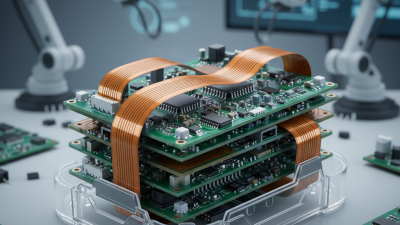
Rigid flex PCBs combine the advantages of rigid and flexible circuits, making them highly versatile. They are used in smartphones, wearables, and medical devices, where space is limited. This technology allows for design simplification and enhances the reliability of connections. However, despite their advantages, some may find their cost to be a potential drawback. Evaluating whether the investment aligns with project goals is essential.
With the right expertise, rigid flex PCBs can greatly improve device performance and reliability. As industries continue to evolve, staying informed about the latest advancements is crucial. Those who choose to integrate rigid flex PCBs into their designs may find themselves at a significant competitive advantage.
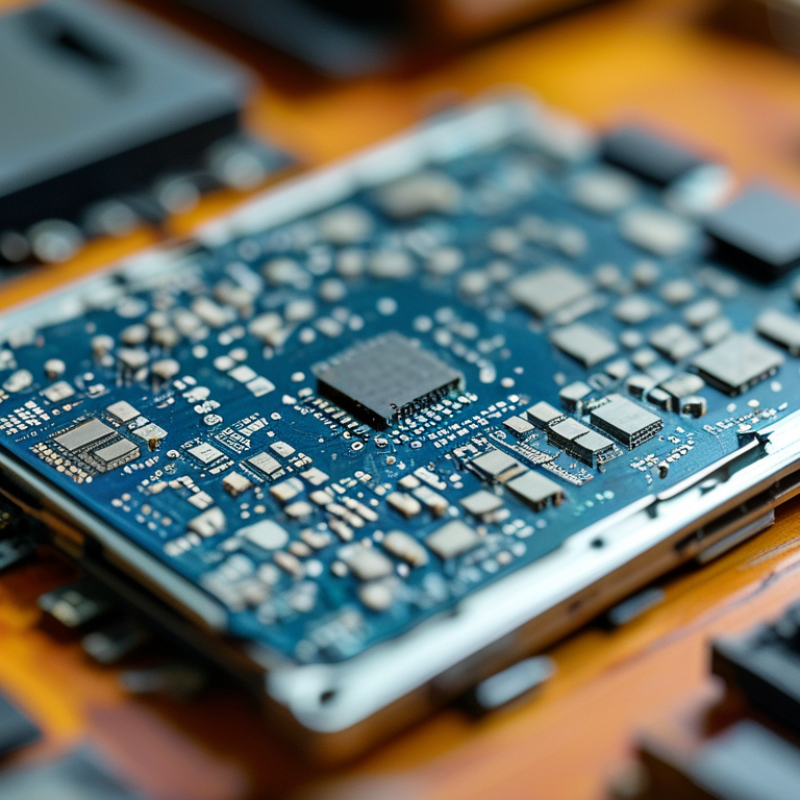
Benefits of Rigid Flex PCBs in Compact Electronic Designs
Rigid flex PCBs offer unique advantages in compact electronic designs. These circuits combine the benefits of rigid and flexible PCBs, making them ideal for space-constrained applications. According to a recent industry report, the market for rigid flex PCBs is projected to grow at a compound annual growth rate (CAGR) of 10% from 2023 to 2030. This growth reflects their increasing adoption in industries like aerospace, automotive, and medical devices.
One significant benefit of rigid flex PCBs is their ability to reduce the overall footprint of electronic devices. By integrating the rigid and flexible components into a single board, manufacturers can save precious space. This integration can sometimes lead to a reduction in component count, which further streamlines the assembly process. However, achieving optimal design still requires careful planning and testing. Engineers must balance flexibility with reliability, ensuring that the board can withstand mechanical stress over time.
Moreover, rigid flex PCBs enhance durability, thanks to their robust build. They resist fatigue and environmental factors better than traditional PCBs. However, the manufacturing process can introduce challenges, like potential issues with yield rates. Manufacturers need to pay close attention to production techniques and material selection. Overall, rigid flex technology provides impressive capabilities for building compact, yet reliable electronic systems, but it demands a mindful approach to design and manufacturing.
Cost Efficiency of Rigid Flex PCBs Compared to Traditional PCBs
Rigid flex PCBs are increasingly popular for various projects due to their cost efficiency. Traditional PCBs often require separate components to manage space, which can elevate costs. A study shows that rigid flex PCBs can reduce assembly costs by up to 30%. This efficiency stems from their ability to combine rigid and flexible circuits, making designs less complex and easier to manufacture.
An additional benefit is that rigid flex PCBs often lead to lighter products. Data indicates that they can reduce weight by more than 50% compared to conventional designs. This factor is vital in industries like aerospace and medical devices, where every gram counts. However, not all projects benefit equally from rigid flex. The initial design phase requires careful consideration of performance needs and budget constraints.
To maximize your investment in rigid flex PCBs, consider utilizing advanced design software. This can streamline the development process, ensuring accuracy and saving time. Look for training resources to help your team understand the design nuances of rigid flex technology. Engaging in continuous learning will help keep your projects efficient and effective.
Enhanced Durability of Rigid Flex PCBs in Harsh Environments
When selecting a printed circuit board (PCB) for demanding applications, rigid flex PCBs stand out due to their enhanced durability. These boards combine the benefits of traditional rigid boards and flexible circuits. This hybrid construction allows them to withstand extreme conditions, making them ideal for harsh environments. They resist temperatures, vibrations, and shock, ensuring optimal performance.
In industries like aerospace and medical devices, reliability is crucial. Rigid flex PCBs can survive rigorous testing, proving their resilience. For example, they can endure repeated bending without compromising signal integrity. This ability reduces risk during assembly and usage. Furthermore, their compact design helps save space in tight configurations, which is often a concern in complex devices.
However, it’s essential to acknowledge that rigid flex PCBs can come with a steeper price. The complexity of manufacturing may lead to longer lead times. This trade-off requires careful consideration during project planning. While they offer significant advantages, one must evaluate whether the benefits outweigh the increased costs for their specific needs. This reflection is vital for making informed decisions in electronics engineering.
Design Flexibility Offered by Rigid Flex PCBs for Complex Applications
Rigid flex PCBs combine the benefits of both rigid and flexible printed circuit boards. This hybrid approach offers remarkable design flexibility, especially for complex applications. These boards can fit into tight spaces and conform to intricate shapes. This makes them ideal for products with limited space, such as medical devices and aerospace technology. The ability to bend and twist without damaging the circuits is a major advantage.
For designers, it's crucial to carefully consider the layout and material selection. Rigid flex designs require meticulous planning. The integration of rigid sections alongside flexible areas can complicate the manufacturing process. Also, ensuring the right balance between flexibility and rigidity is vital. This requires experience and an understanding of the use case.
Reflecting on the design requirements is essential. Designers should reevaluate their needs frequently. Keeping an open line of communication with manufacturers can lead to improvements in prototypes. This approach can facilitate innovation and address any oversights in the design process. In designing rigid flex PCBs, every detail matters, and thoughtful adjustments can lead to improved functionality and performance.
Market Trends: Growth Projections for Rigid Flex PCB Adoption by 2025
The rigid flex printed circuit board (PCB) market is witnessing significant growth. By 2025, adoption rates are expected to climb due to increased demand for compact and efficient designs. As technology evolves, industries are seeking innovative solutions that offer flexibility without sacrificing durability.
Rigid flex PCBs combine the benefits of rigid and flexible circuits. This unique design enables manufacturers to create smaller, lighter devices with enhanced functionality. These boards are crucial in sectors like medical devices, automotive, and consumer electronics. Companies are drawn to their ability to save space as well as reduce assembly costs. However, the technology comes with challenges in production and design.
As the market expands, manufacturers must focus on improving the reliability of rigid flex PCBs. While they offer numerous advantages, like reduced size and improved performance, quality control remains a significant concern. Companies need to invest in research and development. They must ensure that materials can withstand varying conditions. Overall, the future looks promising, but continuous improvement is essential for widespread adoption.