PCB Fabrication Tips for Successful Global Sourcing?
In the rapidly evolving electronics industry, effective PCB fabrication is crucial for global sourcing. According to a recent report from Research and Markets, the global PCB market is expected to reach USD 82.54 billion by 2026, reflecting a compound annual growth rate (CAGR) of 3.5%. This growth underscores the importance of understanding sourcing strategies, especially in times of economic fluctuations and supply chain disruptions.
Companies must focus on quality, cost-efficiency, and timeliness. Ensuring that PCB fabrication meets international standards can significantly enhance product reliability. However, challenges remain. Reports indicate that around 30% of sourcing decisions are hindered by inadequate supplier evaluation methods. Selecting the right partners is essential for achieving consistent quality and performance.
Moreover, communication barriers can complicate sourcing decisions. A lack of clear information can lead to misunderstandings and production delays. Companies are encouraged to invest in training and use advanced technologies to streamline processes. Reflecting on these complexities is critical for developing effective sourcing strategies. In the realm of PCB fabrication, being proactive and adaptive sets successful companies apart from the competition.

PCB Fabrication Process Overview: Key Stages and Best Practices
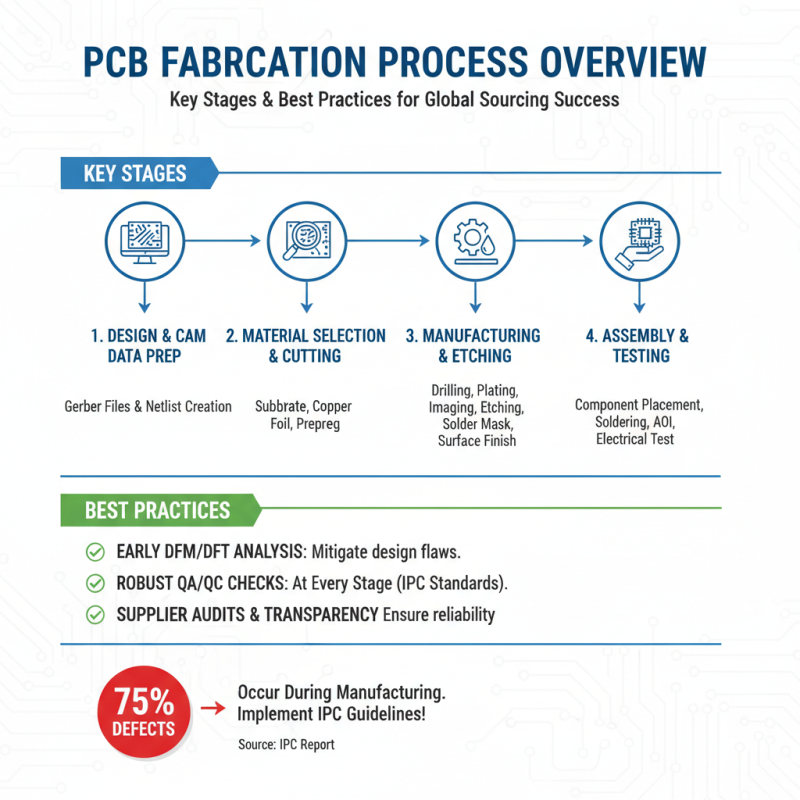
The PCB fabrication process consists of several critical stages that can determine the success of global sourcing. From initial design to final assembly, each phase requires careful attention to detail. According to a report by IPC, 75% of PCB defects arise during the manufacturing process. This highlights the importance of implementing best practices throughout the fabrication stages.
Key stages in PCB fabrication include lamination, etching, drilling, and plating. Each stage has unique challenges. For instance, during the etching process, maintaining chemical consistency is crucial. Incomplete etching can lead to circuit failures. A well-defined workflow can mitigate these risks.
Tip: Regularly inspect etching solutions for correct chemical concentrations to ensure reliable results.
Communication between teams across different regions is also essential. Misunderstandings may lead to vital errors. A comprehensive checklist can help streamline collaboration. Regular training sessions are beneficial. This ensures that teams understand quality standards.
Tip: Document critical processes and guidelines for better transparency and fewer errors. By being proactive in addressing potential issues, companies can enhance their PCB sourcing strategy.
Understanding Global Sourcing: Strategies for Efficient PCB Manufacturing
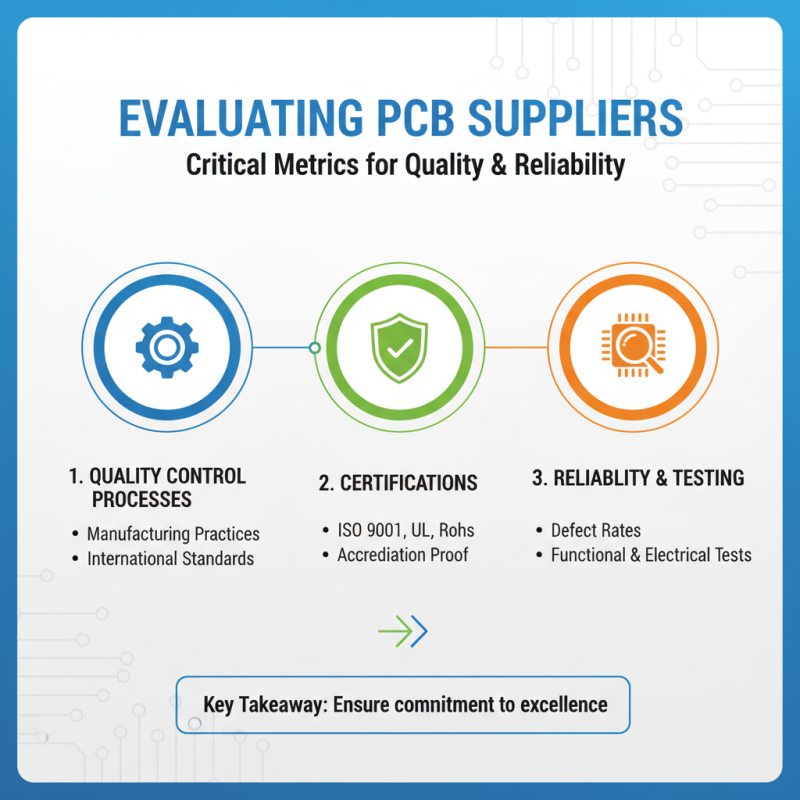
Global sourcing in PCB manufacturing requires a strategic approach. Understanding market dynamics is crucial. Evaluating potential suppliers involves assessing their capabilities, lead times, and quality control measures. Establishing strong relationships with manufacturers can help mitigate risks and improve communication.
It's important to balance cost and quality. A lower price may initially seem attractive, but it can lead to higher costs later. There can be hidden expenses in logistics and support. Thus, maintaining a focus on long-term value is essential. Regular audits of supplier practices can ensure compliance with industry standards. This proactive stance can help catch issues before they escalate.
Cultural differences also play a role. Miscommunication can arise due to language barriers or differing work ethics. Investing time in understanding these factors can foster better collaboration. It’s crucial to remain adaptable and open-minded. This ongoing learning process can lead to improvements in your sourcing strategy. Embracing these challenges is vital for successful global sourcing in PCB fabrication.
Cost Management Techniques in PCB Fabrication for Global Sourcing
In PCB fabrication, managing costs is crucial for successful global sourcing. The global PCB market was valued at approximately $60 billion in 2021 and continues to grow. Companies must focus on effectively controlling manufacturing costs to remain competitive.
One effective technique is material selection. High-quality materials may cost more upfront but can reduce defects and rework. For example, choosing the right laminate can enhance performance and durability. Poor choices can lead to increased production costs and delays, reflecting poorly on the supplier’s reliability.
Additionally, companies should analyze shipping logistics critically. Transportation costs can vary widely. A recent report indicated that logistics could account for up to 25% of overall PCB costs. By optimizing the supply chain and exploring multiple shipping options, businesses can identify cost-effective solutions. Diversifying suppliers may reduce dependency risks and enhance negotiation power. However, this approach requires careful evaluation and consistent quality checks. Effective cost management is essential, but also a continuous journey of assessment and adaptation.
Future Trends in PCB Technology: Innovations Impacting Global Supply Chains
The landscape of PCB technology is rapidly evolving. Several innovations are shaping global supply chains. The rise of advanced materials, like hybrid substrates, is a significant trend. These materials enhance performance and reduce weight, meeting growing demands for smaller devices. A report from IPC indicates that using high-frequency materials can boost performance by 30%.
Additionally, automation is transforming PCB fabrication processes. Automated assembly lines improve efficiency and reduce human error. A survey by IPC highlights that 75% of manufacturers are adopting robotics and AI in their production lines. This transition indicates a strong industry shift towards smart manufacturing.
However, these advancements are not without challenges. The fast pace of change can lead to skill gaps. A report states that 41% of companies face difficulties in finding skilled workers for advanced PCB technologies. This gap may slow down the implementation of innovative processes. Furthermore, reliance on global suppliers increases vulnerability to supply chain disruptions. Companies must adapt to navigate these complexities effectively.