What Is a Metal Distribution Box Used For?
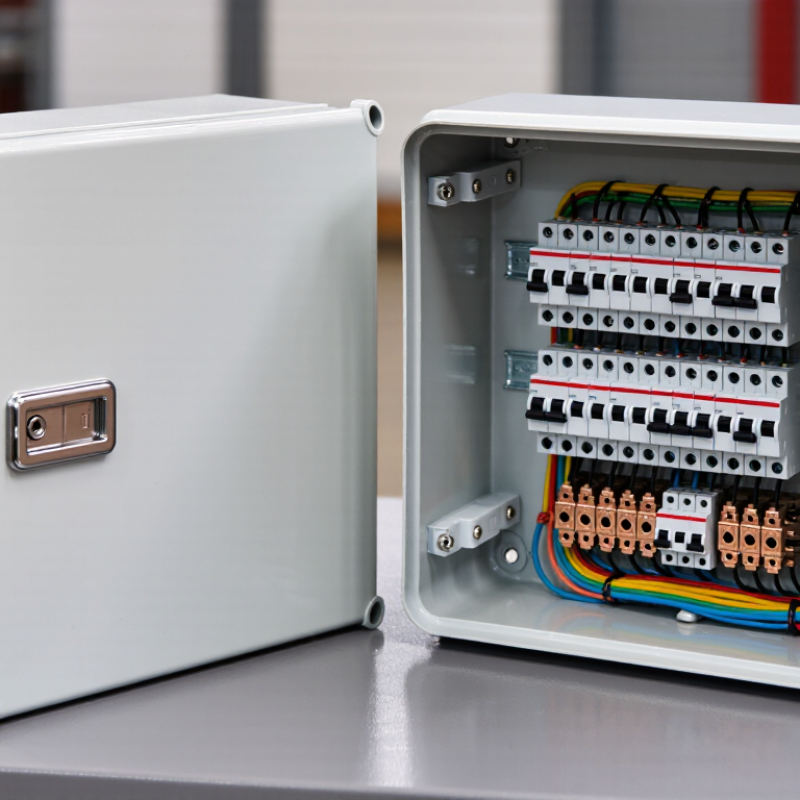
A Metal Distribution Box is used to house and organize electrical components that distribute power to multiple circuits. Inside, breakers, terminals, and wiring sit behind a protective metal enclosure. In a workshop, it may feed lighting, sockets, and equipment from one central point. The box helps keep connections contained and accessible for inspection. It is not merely a metal cabinet.
Its exact role depends on its design. Installers consider the number of circuits, the mounting location, and exposure to dust or moisture. A box near a production floor may need different protection from one inside a dry utility room. Ratings matter. So does room for safe wiring and future maintenance. A cramped enclosure can make inspection harder, even when the parts technically fit.
No verifiable expert quotation was provided with the source material, so the line below is an illustrative draft, not a real attribution. Fictional enclosure specialist Alex Morgan puts the principle this way: “A distribution box should protect connections and make them practical to inspect.” That is a useful test, though it does not replace equipment specifications or qualified electrical advice. The sections that follow explain common applications, key components, and selection factors. They also consider where metal construction helps—and where the enclosure’s rating, installation, or environment may limit its suitability. The details deserve a careful look.
What a Metal Distribution Box Is
A metal distribution box is a protective enclosure that holds electrical distribution components in one organized place. Depending on its design, it may contain circuit breakers, fuses, terminal blocks, busbars, or control devices. The metal cabinet helps shield these parts from knocks, dust, and accidental contact. It also provides a firm mounting surface for the components and wiring.
Inside, a mounting plate or DIN rail supports equipment, while cable openings allow conductors to enter and exit. Some boxes include a door, removable cover, grounding point, and gasket. Details vary. A box intended for a dry indoor room may not suit a damp workshop or outdoor location, so its enclosure rating and installation instructions matter. The metal body must also be properly bonded as required for the electrical system.
It is an enclosure, not a complete safety solution. Circuit protection depends on correctly selected and installed components, and wiring space must allow conductors to be routed without crowding. Even tidy diagrams can make a real installation look simpler than it is. A qualified electrician can check the box’s size, environment, and intended load before it is fitted.
What Is a Metal Distribution Box Used For?
A metal distribution box houses and protects electrical components such as circuit breakers and busbars, helping distribute power to separate circuits. The chart shows common nominal AC voltage levels in systems served by distribution equipment; it does not indicate a box’s voltage rating.
How It Houses and Protects Electrical Components
A metal distribution box provides a rigid home for circuit breakers, terminals, busbars, and wiring connections. Its steel or aluminum walls help shield energized parts from accidental contact and everyday knocks. Inside, mounting rails keep devices in place, while designated spaces allow conductors to enter and exit without crossing unnecessarily. A hinged cover makes inspection easier. It is not merely a shell: correct spacing, secure fittings, and sound grounding all matter.
One detail is easy to overlook: metal alone does not make an enclosure dust-tight or waterproof. Protection depends on its design, seals, and installation.
The risk is real. NFPA’s 2022 Electrical Fires report estimates that electrical distribution or lighting equipment was involved in an average of 34,000 U.S. home structure fires each year from 2015 to 2019.
Those fires caused an estimated 470 civilian deaths and $1.3 billion in direct property damage annually.
An enclosure cannot prevent every fault, but it can help contain components and reduce exposure when selected and installed correctly. For example, an indoor workshop may need protection from dust, while a damp utility area may require a suitably rated enclosure. Check the enclosure rating and component clearances. A neat box can still be poorly planned. A qualified electrician should verify grounding, conductor sizing, and applicable local requirements before energizing the equipment.
How It Distributes Power to Multiple Circuits
A metal distribution box receives electrical power and routes it to several branch circuits. Inside, incoming conductors connect to busbars, which carry power along a shared path. Individual circuit breakers then connect to the busbars and feed separate cables. One may serve lighting, while another supplies receptacles or fixed equipment.
If a fault or overload occurs, the affected breaker can interrupt its circuit without shutting down every other circuit. That separation makes troubleshooting more manageable.
Small detail, big impact.
Neutral conductors terminate at a neutral bar, while protective grounding conductors connect to a grounding bar. The exact arrangement depends on the system design and applicable electrical requirements.
The metal enclosure helps protect internal components from accidental contact and physical damage. Its rating, size, and installation location must suit the environment and expected electrical load.
A qualified electrician selects compatible breakers, verifies conductor sizes, and checks that connections are secure. Loose terminals can overheat, even when the box looks neat from the outside.
Labels also matter: clear circuit descriptions help someone identify the correct breaker later. In practice, labels are sometimes vague, so they should be checked against the circuits they actually control.
Where Metal Distribution Boxes Are Commonly Used
Metal distribution boxes are commonly used wherever several circuits need a protected, organized point for connection. In homes, they may contain circuit breakers or terminals for lighting, outlets, and appliances. A recessed box in a hallway can keep wiring accessible without leaving live components exposed. In workshops and small commercial buildings, surface-mounted boxes are often easier to inspect and maintain.
Factories, warehouses, and utility rooms use metal boxes to protect distribution equipment from knocks, dust, and everyday contact. Their rigid enclosures suit busy areas near pumps, machinery, or service corridors. Dust matters. In damp or corrosive locations, the enclosure’s material and protection rating must match the conditions; ordinary metal is not automatically suitable outdoors. That detail is easy to miss.
Metal distribution boxes also appear in apartment blocks, offices, and shared building services, where circuits may feed different floors or equipment zones. Installers consider cable entry points, available space, heat, and access for future checks. A box can be technically suitable and still be awkward to reach. In practice, the easiest location to draw may not be the safest or most convenient place to service. Final selection and installation should follow the equipment instructions and be handled by a qualified electrical professional.
How to Choose a Box for an Electrical Installation
What Is a Metal Distribution Box Used For?
How to Choose a Box for an Electrical Installation
A metal distribution box houses and protects electrical connections, breakers, and related components. It also helps keep wiring organized and limits accidental contact. Fit matters.
NFPA’s 2012–2016 analysis estimated that electrical distribution or lighting equipment was involved in about 34,000 reported U.S. home structure fires each year. That figure is a useful reminder: enclosure selection is part of installation safety, not just appearance.
Start with the circuit schedule, conductor count, and equipment dimensions. Leave enough working space for wiring bends and future servicing; a tightly packed box can make even routine maintenance awkward. Check that the enclosure suits the location. Indoor dry spaces differ from damp, dusty, or outdoor settings, where the required protection rating and corrosion resistance matter. NEMA 250 and IEC 60529 describe enclosure protection classifications, but they use different systems. Confirm the applicable rating and local requirements with a qualified electrical professional. Measure twice.
Tips: Check mounting depth, cable entry points, grounding provisions, and door clearance before ordering. Allow practical room for labeled circuits and later changes. A box that looks roomy on paper may feel crowded once conductors enter from several sides. Verify compatibility with the devices and wiring methods specified for the installation.