How to Choose the Right Storage Rack Upright in 2026
Choosing a Storage Rack Upright in 2026 is not just a matter of matching a height and finish. The upright frame carries loads through its columns, bracing, footplates, and connections, so a poor fit can affect the entire rack bay. Start with the goods you store: a pallet of boxed parts places different demands on a system than a dense load of steel components. Measure actual pallet dimensions and loaded weights, not estimates from an old spreadsheet. Check available ceiling height, aisle width, forklift reach, and floor condition, too. Small differences matter.
Specifications deserve a close look. Compare frame depth, column profile, bracing pattern, beam compatibility, and published load ratings. Confirm that the upright works with the rack system already installed; similar-looking components are not always interchangeable. Ask the supplier for current documentation and a clear explanation of the stated capacities. Details matter. In areas with moisture, temperature swings, or frequent impacts, finish and protection options may influence long-term maintenance. A bright coating can look reassuring, but it does not replace sound design or careful inspection.
There is no single best upright for every warehouse. Budget, expansion plans, handling equipment, and changing inventory all shape the choice. I would also challenge one common shortcut: choosing solely by the lowest purchase price. That can leave little room for future changes. This guide explains how to assess fit, capacity, compatibility, and practical operating conditions before making a decision. Some details may still need review by a qualified rack professional, especially when loads or layouts are unusual.
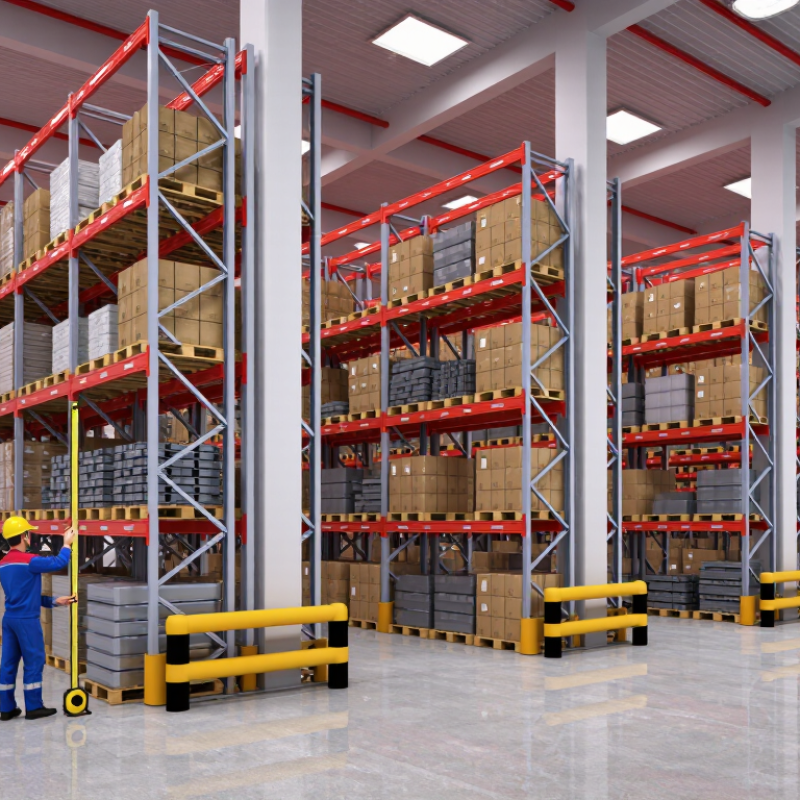
Understanding the Role and Types of Storage Rack Uprights
How to Choose the Right Storage Rack Upright in 2026
Understanding the Role and Types of Storage Rack Uprights
A storage rack upright is the vertical frame that supports beams and transfers stored weight to the floor. Its height, depth, steel thickness, and connection slots affect the rack’s capacity and fit. Uprights also need bracing to resist sideways movement. A frame that looks sturdy is not proof of a safe load rating. Check the rack manufacturer’s specifications and consider the floor condition before choosing.
Common designs include teardrop uprights, which use shaped slots for quick beam adjustment, and structural uprights, which often have heavier components for demanding settings. Some systems use closed or boxed columns for added rigidity. These styles are not automatically interchangeable. Beam connectors, upright dimensions, bracing, and base plates must match the rack system. A small mismatch can make assembly difficult or weaken the connection. Measure the actual storage area, including clearance for forklifts and sprinklers.
Tips: Confirm the rated capacity for the complete rack, not just one upright. Measure twice. Inspect frames for bends, cracked welds, or missing anchors before use. If specifications are unclear, pause and ask a qualified rack professional. That extra check may feel inconvenient, but guessing is worse.
Assessing Load Capacity, Height, and Warehouse Requirements
How to Choose the Right Storage Rack Upright in 2026
Assessing Load Capacity, Height, and Warehouse Requirements
Choosing an upright starts with the loads it must support. Check the rack supplier’s capacity data for the exact frame height, depth, and beam spacing you plan to use. A taller frame or wider beam spacing can change its rated capacity. Include the weight of pallets and goods, not just the product. Uneven loads matter, too. A leaning pallet can shift pressure across the bay. Confirm that the floor is level and suitable for the rack’s base plates and anchors.
Measure the warehouse before settling on a height. Allow room for forklifts, overhead doors, lights, sprinklers, and safe handling at the top beam. A few inches can matter. Clearances are easy to overlook on a drawing, so verify them on site. Check aisle width against the equipment that will actually move through it. If loads, floor conditions, or rack configurations are uncertain, ask a qualified rack professional to review the layout and capacity ratings.
Tips: Photograph columns, obstructions, and floor changes during measurement. Keep a record of beam levels and load weights. Recheck the plan when inventory changes; that step is often missed.
Comparing Upright Materials, Profiles, and Protective Coatings
How to Choose the Right Storage Rack Upright in 2026
Most warehouse uprights use steel, but grade, thickness, and profile all affect performance. Roll-formed sections can offer efficient strength with less material; structural sections may suit heavier-duty layouts. Compare published load tables, not appearance alone. A broad face or thicker-looking post does not automatically mean a higher safe capacity. The Rack Manufacturers Institute’s ANSI MH16.1 design standard provides engineering criteria for steel storage racks; confirm that the proposed frame and beam configuration matches your actual loads and layout.
Coatings matter where moisture, cleaning chemicals, or frequent impacts are present. Powder coating can provide a durable finish, while galvanizing is often considered for damp or corrosive environments. Neither coating repairs a dented upright or raises its rated capacity. NACE International’s 2016 IMPACT study estimated corrosion costs at US$2.5 trillion worldwide, or 3.4% of global GDP, and reported potential savings of 15–35% through corrosion-control practices. That figure covers many industries, not racks alone, but it shows why corrosion deserves attention.
Tips: Check the upright’s load rating, steel specification, and coating details together. Inspect base plates and lower sections for chipped finish, rust, or bent edges. Small damage can be easy to overlook. Recheck after installation; site conditions rarely match the drawing perfectly.
How to Choose the Right Storage Rack Upright in 2026
Comparing upright materials, profiles, and protective coatings
Zinc coating designations indicate coating mass across both surfaces: ASTM G60 and G90 correspond to approximately 183 and 275 g/m², while EN 10346 Z180 and Z275 designate 180 and 275 g/m². These designations use different standards and test requirements, so coating mass alone does not predict service life. When choosing an upright, also verify the steel grade and load capacity, select a profile suited to the rack layout, and match the coating to the site’s corrosion exposure.
Checking Rack Compatibility, Safety Standards, and Installation Needs
A storage rack upright must match the frame, not merely look similar. Check the upright’s height, depth, hole pattern, steel profile, and connector fit against the existing system. A mismatched beam connection can reduce stability, even when the parts appear close. Verify the manufacturer’s load tables and the rack’s original configuration before ordering replacements. If records are missing, measure carefully and have a qualified rack professional assess the assembly.
Safety checks matter as much as fit. ANSI MH16.1 provides design and testing guidance for industrial steel storage racks, while OSHA’s 29 CFR 1910.176(b) requires stored materials to remain stable against sliding or collapse. The U.S. Bureau of Labor Statistics reported 4.8 recordable injury cases per 100 full-time workers in warehousing and storage in 2023. That figure covers the sector, not rack failures, but it reinforces the need for disciplined handling and inspection. Check for bent columns, damaged bracing, loose anchors, and uneven floors. Small defects count.
Before installation, confirm the floor can support the loaded rack and that anchors suit the concrete and site conditions. Keep aisles clear, plumb each frame, and follow the specified bolt and anchor requirements. A rushed install can leave a subtle lean; I’ve seen how easy it is to dismiss one. Recheck alignment after loading, and document any repairs.
Selecting and Verifying the Right Upright for Your Storage System
How to Choose the Right Storage Rack Upright in 2026
Selecting an upright starts with the actual storage layout, not a photograph or a rough estimate. Measure the rack height, bay width, beam levels, and available floor space. Then confirm that the upright’s profile and connection points match the beams and bracing. A close visual match is not enough.
Check the load information for the complete configuration. Upright capacity can change with frame height, beam spacing, bracing, and the way loads are distributed. Use current technical documents for the specific rack system, and ask a qualified supplier or engineer to clarify missing data. A heavier-looking post is not automatically stronger. That assumption is easy to make.
Before installation, inspect each upright for bends, cracks, damaged connectors, or distorted holes. Confirm that base plates, anchors, and floor conditions suit the planned setup. Keep the documentation with the rack; it helps when layouts change or replacement parts are needed. I have seen small measurement errors turn into awkward fit problems, so recheck dimensions before ordering. It can feel excessive. It is cheaper than discovering the mismatch after assembly.
After installation, check that frames are plumb, bracing is secure, and beams are seated correctly. Do not load a visibly damaged or uncertain upright. Record the inspection and resolve concerns before the rack returns to service.