Essential Tips for Choosing the Right Air Compressor Blower?
Choosing the right Air Compressor Blower can greatly impact efficiency and productivity in various industries. According to a recent report by MarketsandMarkets, the global air compressor market is expected to reach $41 billion by 2026, partly driven by increasing demands in manufacturing and construction sectors. Selecting the right blower involves understanding specific applications and requirements, which is often overlooked.
Many users may not realize the importance of airflow capacity and pressure ratings. These factors directly influence performance and energy consumption. A simulation study from the Department of Energy reveals that inefficient blowers can waste up to 30% of energy across several applications. This leads to increased operational costs.
In addition to performance metrics, durability and maintenance needs should also be considered when choosing an Air Compressor Blower. Regular maintenance can mitigate issues that arise from poor selection, ultimately prolonging equipment life. Understanding these nuances helps users avoid common pitfalls in the selection process, ensuring reliable operation and optimal performance. Investing time in research can yield significant long-term benefits.
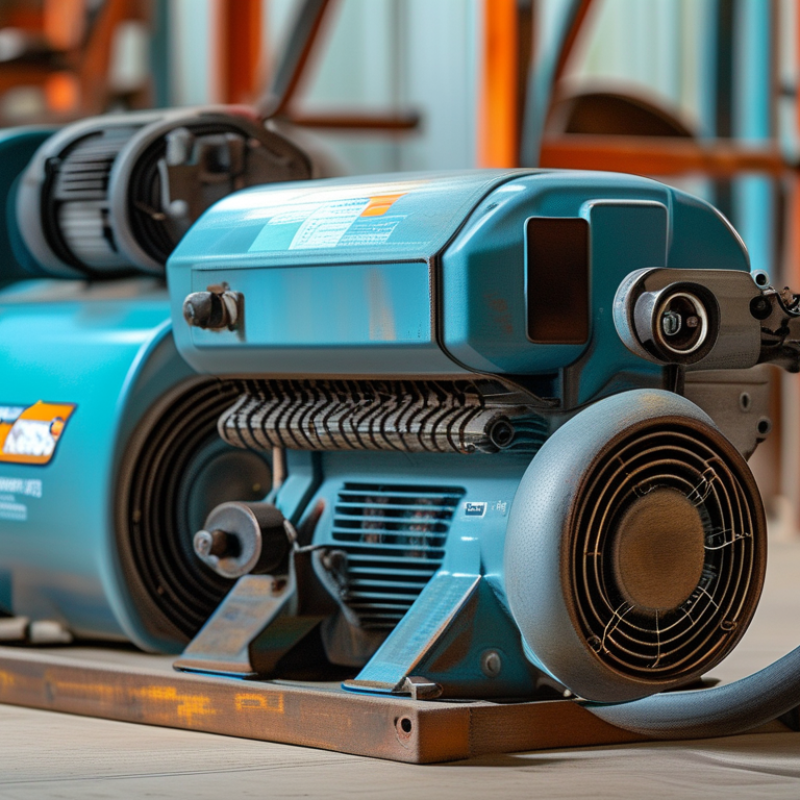
Understanding Different Types of Air Compressors and Blowers
When selecting an air compressor blower, understanding the different types available is crucial. Air compressors can be categorized into reciprocating, rotary screw, and scroll models. Each type has its own strengths and weaknesses. According to industry reports, reciprocating compressors are known for their efficiency in smaller applications, while rotary screw compressors excel in continuous use scenarios.
The performance metrics also differ significantly. For instance, rotary screw compressors typically deliver a higher volume of air at lower decibel levels. Research indicates that they can operate at around 70-75 dB, a stark contrast to the louder reciprocating varieties. Users often face challenges in choosing the right compressor for their specific needs. Factors like PSI rating and cubic feet per minute (CFM) output should be prioritized according to application requirements.
Scroll compressors, on the other hand, are often overlooked but can be ideal for specific tasks. They are compact and quiet, making them suitable for applications in confined spaces. However, they usually come with a higher price tag. Users might grapple with deciding whether the higher initial cost justifies the long-term benefits of lower maintenance and energy consumption. In the dynamic market, it's essential to weigh these factors carefully from both operational and budgetary perspectives.
Essential Tips for Choosing the Right Air Compressor Blower
| Type of Air Compressor/Blower | Power Source | Max Pressure (PSI) | Tank Size (Gallons) | Best Use Case |
| Piston Air Compressor | Electric/Gas | 120 | 2 - 30 | General Purpose |
| Rotary Screw Compressor | Electric | 100 - 200 | 10 - 500 | Industrial Applications |
| Scroll Compressor | Electric | 75 - 150 | 5 - 60 | Medical and Food Applications |
| Diaphragm Compressor | Electric | 30 - 60 | 1 - 10 | Specialty Applications |
| Blower (Positive Displacement) | Electric/Gas | Varies | 2 - 50 | Pneumatic Conveying |
Key Factors to Consider When Selecting an Air Compressor Blower
When selecting an air compressor blower, certain factors demand your attention. First, consider the application. Different tasks require varying airflow and pressure capacities. For instance, a report from the Compressor Manufacturers Association reveals that a small workshop may only need 4-6 CFM (cubic feet per minute), while larger industrial applications could require over 50 CFM. Understanding your specific needs is critical to ensure efficiency and performance.
Power source is another significant consideration. Compressors are available in electric, gas, and diesel options. Electric models are often quieter and require less maintenance. However, gas-powered blowers provide portability and are suitable for outdoor work. According to a recent survey, about 70% of professionals prefer electric compressors for their ease of use and reliability.
Additionally, evaluate the build quality and portability. A heavy-duty model may seem robust but could be cumbersome. Conversely, lightweight blowers may lack the durability needed for tough environments. Aim for a balance that meets your mobility needs without compromising on quality. Reviewing customer feedback can give insight into long-term performance. Always be wary of the hype surrounding certain features; sometimes, they may not offer the real benefits advertised.
Evaluating Airflow and Pressure Requirements for Your Needs
When selecting an air compressor blower, understanding airflow and pressure requirements is crucial. The right specifications can vary significantly based on your specific application. For instance, painting or sandblasting requires high pressure, while inflating tires needs lower pressure but good airflow. Reports from the Compressed Air and Gas Institute suggest that applications requiring over 90 PSI often need blowers with higher efficiency ratings to reduce energy costs.
Airflow is measured in cubic feet per minute (CFM). A shop using pneumatic tools typically requires around 4-25 CFM. Yet, many users overlook the importance of adequate CFM, leading to inefficiencies. It's essential to assess your tool's requirements thoroughly. Studies indicate that equipment operated below optimal airflow can lead to decreased performance and durability, causing added expenses from repairs or replacements.
It's important to reflect on power sources as well. Electric blowers are quieter but may not provide the necessary horsepower for larger operations. In contrast, gas-powered models offer mobility and often higher output but come with noise and maintenance challenges. Users frequently cite frustration when expectations do not match performance. Make sure to research and test various models to avoid these pitfalls.
Assessing Energy Efficiency and Noise Levels of Compressors
When choosing an air compressor blower, energy efficiency and noise levels are crucial. Energy-efficient models save money on electricity bills. They also reduce the environmental impact. A good blower should have a high Energy Star rating. This rating indicates optimized energy use. Look for models that clearly state their power consumption.
Noise levels can vary significantly among different compressors. Some blowers operate quietly, while others can be quite loud. Consider how the noise will affect your workspace. If you're in a residential area, a quieter model is preferable. Check the decibel ratings provided by the manufacturer. A blower under 70 decibels is usually acceptable for most settings. High noise levels can lead to fatigue.
Assess your specific needs before making a choice. Some blowers may not perform well in all conditions. Take the time to research and consult experts. Reliability is key. A blower that often needs repairs will waste more energy over time. Always prioritize products with solid warranties and customer reviews. This can help ensure durability and performance.
Maintenance Tips for Longevity of Air Compressors and Blowers
Maintaining air compressors and blowers is crucial for ensuring their longevity. Regular upkeep can prevent costly replacements and improve efficiency. Data from the Compressed Air and Gas Institute shows that proper maintenance can increase equipment lifespan by up to 50%. Regular inspections and timely repairs are essential practices.
Here are some tips for maintaining your air compressor. Check the oil levels frequently. Low oil can lead to higher friction and heat, causing wear and tear. Clean or replace air filters regularly. Clogged filters reduce airflow and strain the system. Monitor the temperature and pressure settings. Abnormal readings can indicate potential issues.
In addition, ensure proper drainage of condensation from the tank. Stagnant water can promote rust, negatively impacting the unit's performance. Conduct routine belt inspections. Look for signs of wear or damage, as these can affect the unit's efficiency. Keeping an eye on these details can prevent unexpected downtime.