

Electrical Breakers are essential components in modern electrical systems. They protect homes and businesses from overloads and short circuits. According to a report by the National Fire Protection Association, over 30,000 electrical fires occur annually in the United States. Electrical breakers greatly reduce these risks.
The operation of electrical breakers is crucial for safety and efficiency. These devices automatically disconnect the flow of electricity when they detect a problem. This action prevents overheating and potential fires. As more devices connect to electrical systems, the demand for reliable breakers increases. Recent market research suggests that the electrical breaker industry may grow significantly, reflecting heightened awareness around safety.
However, not all electrical breakers are created equal. Some have drawbacks, such as limited lifespan or inability to handle specific loads. Users may overlook their maintenance, leading to failure when it matters most. Understanding how electrical breakers work can empower consumers to make informed choices. This knowledge can lead to safer environments for everyone.
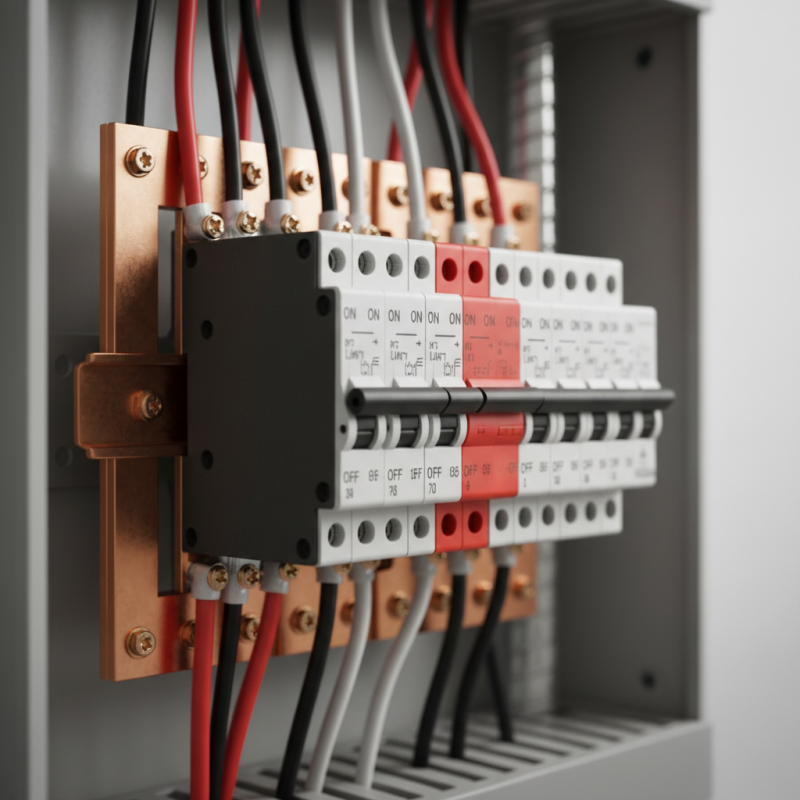
An electrical breaker is a crucial component in every modern electrical system. It serves as a safety device that prevents overloads and short circuits. Whenever too much current flows through a circuit, the breaker trips, cutting off the electrical supply. This protects the wiring and devices in your home or workplace from damage.
Understanding how breakers work is essential for electrical safety. They operate using a mechanical mechanism that reacts to excess current. When the current exceeds a specific limit, the mechanism disconnects the power. This action can save lives by reducing the risk of fire or electrocution.
Sometimes, breakers can be reset, but they are not always reliable. Frequent tripping might indicate an underlying problem in the electrical system. Users should not ignore these signs. Regular inspection and maintenance are necessary to ensure everything functions correctly. A professional electrician can help identify issues that might not be visible to the naked eye. Safety should always be the top priority when dealing with electrical systems.
Electrical breakers play a crucial role in ensuring safety in homes and industries. They act as a protective device against overloads and short circuits. According to a report by the National Fire Protection Association (NFPA), electrical failures were responsible for an estimated 30,000 home fires in the U.S. in recent years. These statistics highlight the importance of having correctly functioning breakers.
The primary purpose of electrical breakers is to interrupt the circuit when an anomaly is detected. This prevents electrical fires and damage to devices. Research from the Institute of Electrical and Electronics Engineers (IEEE) shows that proper breaker maintenance can reduce appliance damage by up to 70%. Regular testing of electrical breakers can help ensure they will function when needed.
Tip: Inspect your breakers at least once a year. Look for signs of wear, such as flickering lights or strange noises. If you notice any issues, consider consulting a licensed electrician. It's essential to invest in quality equipment, as lower-quality breakers may not offer reliable protection. Remember, your safety depends on these small but mighty devices.
| Type of Breaker | Function | Rated Current (A) | Voltage Rating (V) | Reset Mechanism |
|---|---|---|---|---|
| Miniature Circuit Breaker (MCB) | Protects against overloads and short circuits | 6 - 63 A | 230/400 V | Manual reset |
| Residual Current Device (RCD) | Guards against earth fault currents | 30 - 300 mA | 230 V | Manual reset |
| Earth Leakage Circuit Breaker (ELCB) | Detects earth faults | 15 - 100 mA | 230 V | Manual reset |
| Air Circuit Breaker (ACB) | Used for high voltage and larger currents | 100 - 4000 A | 400 V and above | Manual and automatic reset |
| Hydraulic Magnetic Circuit Breaker | Combines thermal and magnetic protection | 10 - 160 A | 110/220 V | Manual reset |
Electrical breakers play a crucial role in modern electrical systems. Various types exist, each serving specific functions and applications. The most common types include Circuit Breakers, Ground Fault Circuit Interrupters (GFCIs), and Arc Fault Circuit Interrupters (AFCIs). Circuit breakers are designed to protect wiring and devices from overloads. According to the National Electrical Manufacturers Association (NEMA), circuit breakers are responsible for preventing over 30% of electrical fires.
GFCIs are essential in areas prone to moisture, like kitchens and bathrooms. They interrupt the circuit when they detect an imbalance in electrical flow, reducing the risk of electric shock. The U.S. Consumer Product Safety Commission reports that GFCIs have decreased electrical fatalities by about 50% in residential settings. AFCIs offer protection against arc faults that can lead to electrical fires. Their presence is mandatory in many newer homes, reflecting a growing awareness of electrical safety.
Understanding the distinct functions of each electrical breaker is vital. Homeowners and professionals alike need to assess which types best suit their needs. However, reliance on technology can lead to complacency. Regular testing and maintenance of breakers are often overlooked. Even advanced breakers can fail if not properly maintained. It's important to recognize that while these devices enhance safety, they are not foolproof. Regular inspections are essential.
Electrical breakers are essential components in power distribution systems. They function by interrupting electrical flow during overload or short-circuit events. These devices can operate mechanically through physical mechanisms, or electronically via advanced sensors and controls. The National Electrical Manufacturers Association (NEMA) reports that over 40% of electrical failures in commercial settings are due to inadequate protection. This underscores the significance of reliable breakers in preventing costly downtime.
Mechanically, breakers utilize a bimetallic strip or an electromagnetic mechanism to detect faults. When current exceeds safe levels, the strip bends, tripping a switch. Similarly, the electromagnetic mechanism uses current to create a magnetic field, which pulls a lever to open the circuit. This approach is effective but not infallible. For instance, mechanical components may wear over time, leading to delayed reactions.
On the electronic side, solid-state breakers offer faster response times and enhanced accuracy. They rely on sensors to monitor current flow continuously. When detecting anomalies, they swiftly engage a disconnect mechanism. According to a report by Research and Markets, the demand for electronic circuit breakers is projected to grow by over 25% annually. However, potential cybersecurity threats pose a risk to their operation, highlighting the need for robust security measures. Quality and reliability remain vital, even in the face of technological advancement.
Electrical breakers are crucial for safety in homes and businesses. They protect electrical circuits from overloads and short circuits. Each year, electrical failures cause significant property damage—estimated around $1.3 billion in the U.S. alone, according to the National Fire Protection Association. Proper maintenance and understanding safety features can mitigate these risks.
Regularly checking the condition of your electrical breaker is essential. Ensure that it is not warm to the touch. Heat can indicate a problem. Additionally, inspect for signs of rust or wear. These signs can signify that the breaker needs replacement.
Tips: Always turn off the main power before inspecting breakers. This prevents any electrical shock. If you notice frequent tripping of your breakers, this may suggest an underlying issue. Address it immediately to ensure safety.
Consider testing your breaker monthly. This can confirm that it is working correctly. Faulty breakers can lead to dangerous situations. Robust maintenance and awareness can ensure your electrical system remains safe and reliable.
This chart illustrates the maximum load capacity of various types of electrical breakers, ranging from 20A to 50A. Understanding these capacities can help in selecting the right breaker for specific electrical needs, ensuring safety and efficiency in electrical systems.

