What is an Eco-Friendly Nylon Cable Gland Manufacturer?
In today's world, sustainability has become a key focus for manufacturers across various industries. The demand for environmentally friendly practices drives innovations. In this context, the role of an Eco-Friendly Nylon Cable Gland Manufacturer emerges as essential. These manufacturers prioritize using sustainable materials and processes, catering to an eco-conscious market.
An Eco-Friendly Nylon Cable Gland Manufacturer emphasizes not only product quality but also environmental impact. Their commitment ensures that the nylon used is sourced responsibly and produced with minimal waste. This aligns with the growing need for products that support sustainable development. However, achieving this balance is not without challenges. Manufacturers must navigate potential trade-offs, such as cost versus sustainability.
Trust becomes vital when choosing a supplier. Customers want guidance and assurance that their chosen manufacturer meets eco-friendly standards. The reputation of an Eco-Friendly Nylon Cable Gland Manufacturer rests heavily on transparency and accountability. By focusing on these principles, they can build a loyal customer base, even amidst imperfections in their journey toward complete sustainability.
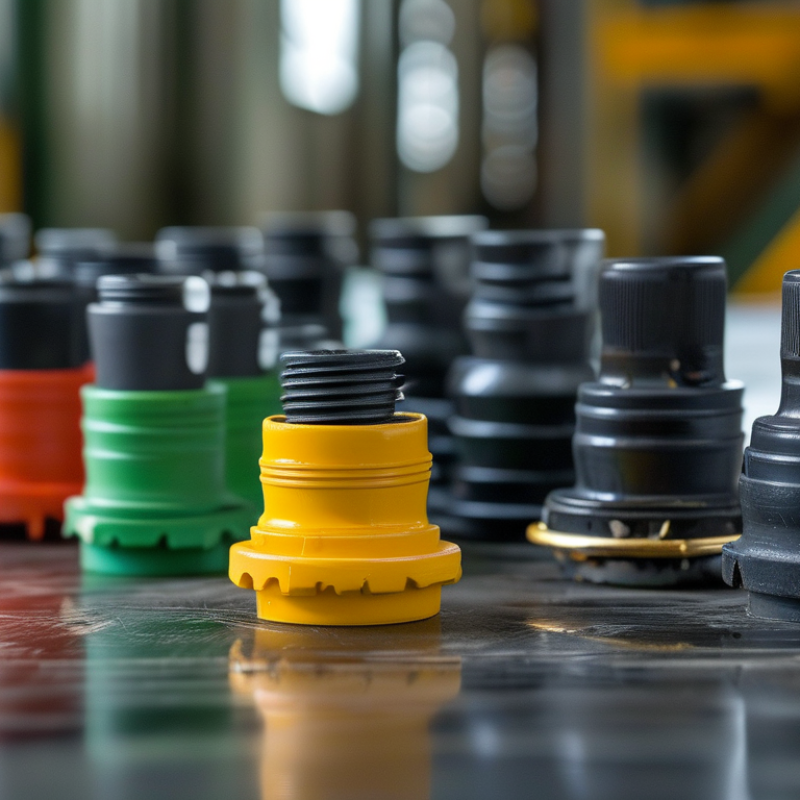
Definition of Eco-Friendly Nylon Cable Glands
Eco-friendly nylon cable glands are essential components in various industries, offering both functionality and sustainability. These cable glands are designed to manage cable entries and exits safely while minimizing environmental impacts. They typically feature materials that are recyclable and free from harmful chemicals, showcasing a commitment to sustainability. Their durability ensures they withstand harsh conditions, which reduces the need for frequent replacements.
When considering eco-friendly nylon cable glands, pay attention to the materials used. High-quality nylon often includes recycled content, enhancing their environmental profile. These products should also meet regulatory standards for safety and performance. This commitment to quality and sustainability reflects the manufacturer's expertise and dedication to eco-friendly practices.
Tips: Look for certifications that validate a product's eco-friendliness. Always check the environmental impact of the materials used. A well-made nylon cable gland can last for years, making it a wise investment for both the environment and your projects.
What is an Eco-Friendly Nylon Cable Gland Manufacturer? - Definition of Eco-Friendly Nylon Cable Glands
| Attribute | Description |
| Material | Made from recycled and biodegradable nylon |
| Sustainability Certification | ISO 14001 certified for environmental management |
| Production Process | Uses renewable energy in manufacturing |
| Durability | High resistance to UV and extreme temperatures |
| Applications | Suitable for outdoor and industrial use |
| Environmental Impact | Minimizes plastic waste and promotes recycling |
| Market Demand | Growing interest in sustainable electrical components |
Criteria for Eco-Friendly Manufacturing Practices
Eco-friendly nylon cable gland manufacturers focus on sustainable practices. These companies prioritize materials that minimize environmental impact. They often use recycled nylon in their production, reducing waste. This choice helps lower the carbon footprint significantly. The right manufacturer will also implement energy-efficient technologies in their factories.
Transparency is crucial in eco-friendly manufacturing. A reliable company shares information about its sourcing and production processes. They often have certifications that prove their commitment to environmental standards. Regular audits and improvement processes indicate a genuine intent to maintain sustainability.
However, not all manufacturers meet these standards. Some may claim eco-friendliness without substantial evidence. It's vital to research and discern genuine practices from misleading claims. Inconsistencies in production and lack of clear guidelines can be red flags. Understanding these criteria helps consumers make informed choices.
Benefits of Using Eco-Friendly Nylon Cable Glands
Eco-friendly nylon cable glands are becoming increasingly popular. They offer many benefits for both manufacturers and users. One significant advantage is their reduced environmental impact. These cable glands are made from sustainable materials, leading to less plastic waste. This commitment to eco-friendliness can enhance your company’s image and attract environmentally conscious clients.
Using eco-friendly nylon cable glands can also improve product durability. They resist harsh weather conditions and chemicals effectively. This resilience translates to a longer lifespan, reducing the need for replacements. In the long run, this can lead to cost savings for companies and less environmental burden.
**Tip:** Always check for certified eco-friendly materials when selecting manufacturers. This ensures adherence to environmental standards.
Regular maintenance of these cable glands is essential. Keeping them clean can prevent wear and tear, ensuring optimal performance. Durability doesn’t mean no upkeep is necessary.
**Tip:** Inspect cable glands for any signs of damage or corrosion. Addressing these issues early can extend their lifespan significantly.
Benefits of Using Eco-Friendly Nylon Cable Glands
This chart illustrates the various benefits of using eco-friendly nylon cable glands, highlighting key advantages such as durability, water resistance, cost-effectiveness, recyclability, and heat resistance. Each benefit is scored on a scale of 1 to 10, representing its significance in practical applications.
Key Manufacturers in the Eco-Friendly Cable Gland Industry
The eco-friendly cable gland industry is evolving rapidly. A significant driver behind this shift is the increasing demand for sustainable solutions in electrical components. Reports suggest that the market for eco-friendly cable glands is expected to grow at a CAGR of 8.5% from 2021 to 2027. This growth highlights the industry's commitment to reducing environmental impact.
Key manufacturers are focusing on sustainable materials like recycled plastics and biopolymers. These materials not only minimize environmental harm but also meet performance standards. However, the transition to eco-friendly products has its challenges. For instance, manufacturers must balance cost-effectiveness with sustainability. Some industry experts indicate that the initial investment in sustainable materials can be higher.
Furthermore, adherence to international standards remains crucial. Many manufacturers are investing in research to innovate while aligning with environmental regulations. A recent study shows that around 40% of consumers prefer eco-friendly options, influencing manufacturers to adapt. As the demand for green solutions grows, the industry must tackle these hurdles. The path to sustainability is not perfect, but it is necessary.
Future Trends in Eco-Friendly Cable Gland Production
The production of eco-friendly nylon cable glands is on the rise, driven by increasing demand for sustainable manufacturing practices. The global market for eco-friendly cable accessories is estimated to reach USD 5 billion by 2028, reflecting a compound annual growth rate (CAGR) of over 7%. This growth highlights the urgency for manufacturers to adopt greener methods and materials.
Incorporating recycled nylon and bioplastics is creating opportunities for innovation. These materials reduce environmental impact while meeting performance standards. However, sourcing high-quality recycled materials remains a challenge. Manufacturers often grapple with the balance between sustainability and product reliability. According to a recent industry report, approximately 40% of companies are still adapting to these eco-friendly standards.
Future trends suggest increased collaboration between material suppliers and manufacturers. Effective partnerships can lead to advanced eco-friendly solutions. However, companies must also address the end-of-life issues for products. Data shows that less than 30% of cable glands are recycled after use. This reveals a significant gap in circular economy practices. Addressing this will be crucial for sustainable growth.