Discover Digital Solar Bus Stops at 139th Canton Fair?
The 139th Canton Fair is set to become a groundbreaking event in showcasing innovative technologies. A highlight will be the introduction of Digital solar bus stops, which aim to enhance urban infrastructure. These bus stops are not just functional but also eco-friendly. They harness solar energy, reducing reliance on fossil fuels.
As businesses gather to explore advancements in various sectors, the integration of artificial intelligence will facilitate better navigation through the fair. With over 1.5 million square meters of exhibition space, attendees may feel overwhelmed. However, with the aid of AI, finding suppliers with specific qualifications like ISO or CE certifications will be more manageable.
Still, the challenge remains to ensure that these Digital solar bus stops meet the expectations of efficiency and sustainability. Visitors might question their effectiveness and longevity. This blend of innovation and scrutiny will shape the dialogue at the fair, pushing for continuous improvement in urban transport solutions.
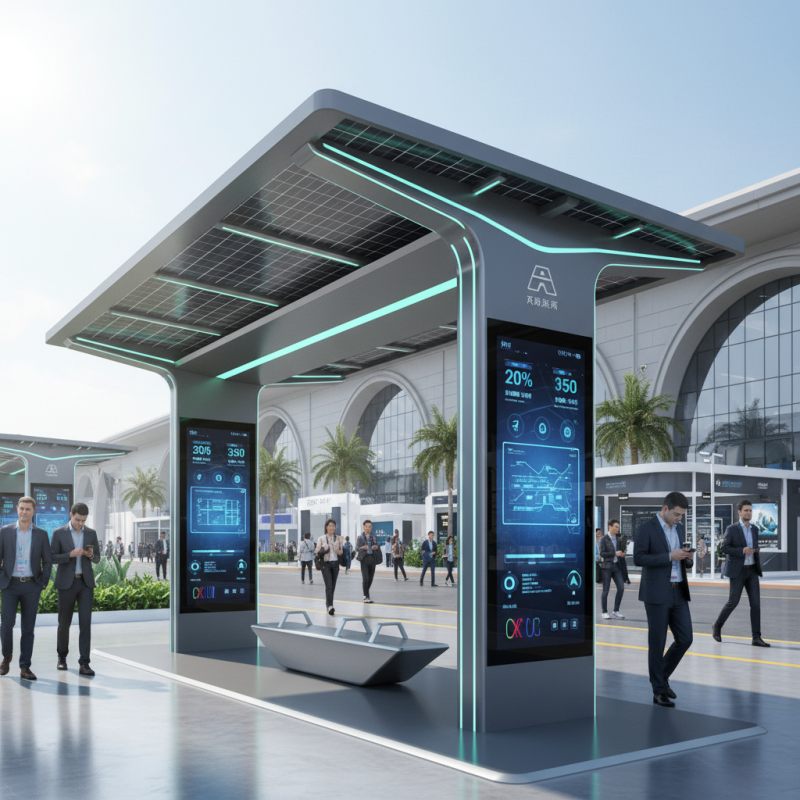
Overview of Digital Solar Bus Stops
Digital solar bus stops are transforming urban transport systems. These innovative stops harness solar energy to power their functions. Studies suggest that solar energy can cover up to 70% of a bus stop's energy needs. This shift promotes sustainability and reduces carbon footprints.
Solar bus stops often include features like LED displays, real-time transit information, and charging stations for mobile devices. A report by the International Renewable Energy Agency indicated that smart transit solutions can increase public transport usage by 20%. This statistic highlights the need for modernized bus stops to enhance user experience.
Tip: Consider integrating solar panels in your transport projects. They are not just eco-friendly; they also save on long-term energy costs. A potential downside is the initial investment. However, the long-term benefits are compelling. Embrace this technology to promote greener urban living.
Innovative Features of Digital Solar Bus Stops
Digital solar bus stops are transforming urban transportation. These innovative structures harness solar energy to power displays and lighting. Imagine waiting for your bus under a vibrant digital screen showcasing real-time updates. This feature enhances the passenger experience and promotes sustainability.
Some designs also include USB charging stations. This is a practical touch for today’s tech-savvy travelers. However, there are challenges. For instance, not all areas receive equal sunlight. Some bus stops might struggle to generate enough energy. This inconsistency raises questions about reliability.
Moreover, integrating such technology requires careful planning. Municipalities must balance budget constraints and eco-friendliness. A poorly designed solar bus stop could end up being less efficient. As cities evolve, these digital stops will need continuous innovation. They must adapt to changing climates and user needs.
Environmental Impact of Solar-Powered Infrastructure
Digital solar bus stops represent the future of urban infrastructure. These innovative solutions are designed to harness solar energy for powering services. They also aim to reduce the carbon footprint of public transport systems.
The environmental impact is significant. According to a 2021 report by the International Energy Agency, renewable energy could reduce global carbon dioxide emissions by 70% by 2050. By integrating solar-powered infrastructure, cities can achieve these goals more efficiently. A single solar bus stop can save around 1.5 tons of CO2 annually. That's equivalent to the emissions produced by a car driving 3,500 miles.
However, challenges remain. Solar energy is intermittent and weather-dependent. Cities must have backup systems in place. The cost of installation can also be high, making it difficult for smaller municipalities. Balancing these factors is crucial for wider adoption. The conversation around solar infrastructure continues, as cities explore innovative solutions to enhance sustainability while addressing these obstacles.
Case Studies: Implementation in Urban Areas
Digital solar bus stops are becoming a vital feature in urban environments. These innovative structures not only provide shelter but also harness solar energy. Cities are beginning to adopt this technology, ensuring a sustainable public transport experience. This shift helps to reduce carbon footprints and promotes green energy use.
Case studies reveal interesting findings. In some areas, these stops feature interactive screens, offering real-time data about bus schedules. Users can engage with local content, enhancing their commuting experience. Yet, not all installations have been successful. Some have faced technical issues, leading to frustrating delays for passengers.
When implemented correctly, these bus stops can transform urban landscapes. The integration of technology should always consider user needs. Urban planners must ensure these stops are accessible to all. Community feedback is essential in improving future designs. Engaging with residents can help address shortcomings, making public transport more user-friendly.
Digital Solar Bus Stops Implementation in Urban Areas
Future Trends in Smart Transportation Solutions
Smart transportation is evolving rapidly. Digital solar bus stops are an excellent example. They represent a shift toward sustainable urban infrastructure. According to a recent industry report, the global smart transportation market is projected to reach over $200 billion by 2025. This growth indicates strong demand for innovative solutions.
These bus stops not only provide real-time information but also rely on solar power. This feature enhances energy efficiency. Yet, there are challenges. Many cities struggle with integrating solar technology into existing urban designs. In some areas, the initial investment costs deter local governments from making the switch.
Moreover, user acceptance is crucial. Reports indicate that only 45% of commuters trust new technologies. If municipalities fail to address public concerns, the adoption of smart stops may stagnate. Creating a seamless user experience remains a key hurdle. Cities must balance technology implementation with community needs, ensuring accessibility and usability.