

A fixed guards fence is more than a row of steel panels. It creates a physical boundary between people and hazardous machine movement. Choosing one well means assessing the actual task, access points, and maintenance routine—not just comparing panel prices. The details matter: mesh openings, post spacing, door hardware, floor anchors, and visibility can shape how safely people work around equipment.
The scale of workplace risk deserves attention. The U.S. Bureau of Labor Statistics recorded 5,283 fatal work injuries in 2023, across all industries and causes. That figure is not specific to machine guarding, but it reinforces why employers should assess hazards carefully. OSHA’s machine-guarding rule, 29 CFR 1910.212, requires guarding against hazards such as points of operation and rotating parts. ISO 14120 also provides design and construction requirements for fixed and movable guards. Check applicable standards and site conditions before specifying a system.
A useful guide should explain how to match fence design to risk, workflow, and future changes. It should also be candid: no fence removes every hazard, and poor installation can weaken a sound design. I cannot verify a published quotation from a named Fixed Guards Fence specialist, so I will not invent one. Instead, this article focuses on traceable standards and practical selection questions. Start with the machine. Then study the people working beside it.
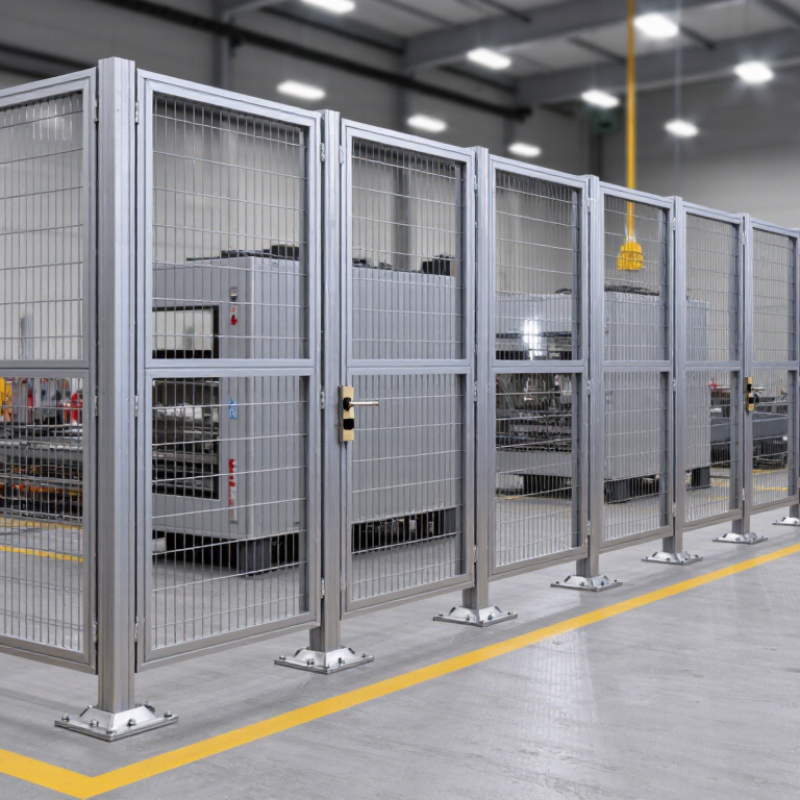
Choosing the best fixed guard begins with a careful hazard check under OSHA 29 CFR 1910.212. The standard requires suitable protection from hazards such as points of operation, ingoing nip points, rotating parts, and flying chips or sparks. Watch the machine during its full cycle. A hazard may appear only when a carriage moves or a workpiece turns.
Look closely. Note where hands, sleeves, or tools could reach moving parts during loading, clearing, and routine adjustments. Check openings from different angles, not just from the operator’s usual position. A narrow gap can still allow fingers to reach a danger point. Also consider nearby employees who may pass the machine or handle finished parts.
A fixed guard can work well when access is not needed during normal operation. Choose a rigid design that stays securely attached and does not create sharp edges, obstruct visibility, or trap debris. Confirm that the guard covers the hazard without interfering with safe feeding or removal of material. Then inspect fasteners and clearance during maintenance. It is easy to assume a guard is adequate because it looks solid. That assumption deserves a second check against the actual machine, its tasks, and the people working nearby.
| Hazard to Identify | Where Exposure May Occur | Fixed Fence Guard Considerations | Selection and Inspection Checks | OSHA 29 CFR 1910.212 Connection |
|---|---|---|---|---|
| Point of operation | At the point where a machine performs work, such as cutting, shaping, boring, or forming. | Enclose the hazardous area with a securely mounted barrier. A fence alone may not be suitable if an operator can reach the point of operation through or around it. | Assess operator reach, material loading and unloading, and foreseeable access during normal operation. Confirm that any openings and distances prevent access to the danger zone. | Section 1910.212(a)(3) requires guarding where machine operation exposes an employee to injury. The guard must prevent access to the point of operation during the operating cycle. |
| In-running nip points and rotating parts | Between meshing gears, rollers, belts and pulleys, chains and sprockets, or other moving components. | Use a rigid fence or enclosure that blocks access to the hazardous motion. Cover openings or gaps that could allow a hand, clothing, or another body part to reach the moving parts. | Check the entire perimeter, including beneath and above the fence, at joints, and around adjacent equipment. Make sure the barrier remains secure and does not introduce a new hazard. | Section 1910.212(a)(1) requires one or more guarding methods to protect employees from hazards including rotating parts and nip points. |
| Flying chips, sparks, or fragments | Near grinding, machining, cutting, or other processes that can eject material. | Choose a barrier material and enclosure layout suitable for the process and foreseeable ejected material. A mesh fence may not provide adequate containment; a solid or purpose-designed screen may be needed. | Consider the direction and likely path of ejected material, visibility needs, and whether the barrier can withstand expected impact. Inspect for damage, loose fasteners, and gaps. | Section 1910.212(a)(2) requires guards to be affixed to the machine where possible and secured elsewhere when necessary; guards must not create an accident hazard. |
| Access through doors or removable panels | At locations that workers need to enter for setup, adjustment, cleaning, or maintenance. | A fixed guard is intended to stay in place. If routine access is necessary, assess whether a suitable movable guard or other protective arrangement is required instead of treating an access gate as a fixed panel. | Identify all access points and define safe procedures for work that requires guard removal or entry. Ensure replacement panels are securely refitted before operation. | Section 1910.212 requires effective guarding but does not prescribe a universal fence design. Applicable machine-specific standards and other safety requirements may also apply. |
| Guard strength, stability, and maintenance | At fence posts, joints, fasteners, floor anchors, and interfaces with the machine or surrounding structure. | Select construction and mounting suited to the machine environment, expected contact, vibration, and required access control. Keep the guard clear of moving parts and other hazards. | Verify that the guard is firmly attached, cannot be easily bypassed, and remains in effective condition. Include it in routine inspections and repair or replace damaged sections promptly. | Section 1910.212(a)(2) addresses guard attachment and securing. Section 1910.212(a)(3) also requires guards to be affixed to the machine when possible. |
Important: OSHA 29 CFR 1910.212 does not provide one universal mesh size, fence height, or safe-distance value for every machine. Determine openings and distances from the specific hazard, applicable machine standards, and a documented risk assessment. A fixed fence does not replace required energy-control procedures during servicing and maintenance.