How to Choose the Best Led Therapy Lights for Your Needs?
Choosing the right Led Therapy Lights can be challenging. The market offers various options, making selection daunting. These lights are known for promoting healing and relieving pain. Knowing your specific needs is crucial before making a purchase.
Understanding the types of LED therapy lights available is essential. They vary in wavelength and intensity. Some may work better for skin conditions, while others focus on muscle recovery. Explore brands with proven track records and reliable customer reviews.
Don’t overlook individual preferences. Testing different lights may be necessary to find what suits you best. Consider the design and ease of use. A light that fits well into your routine will lead to better results. Remember, informed choices lead to effective therapy.
Understanding LED Therapy Lights: Basics and Benefits
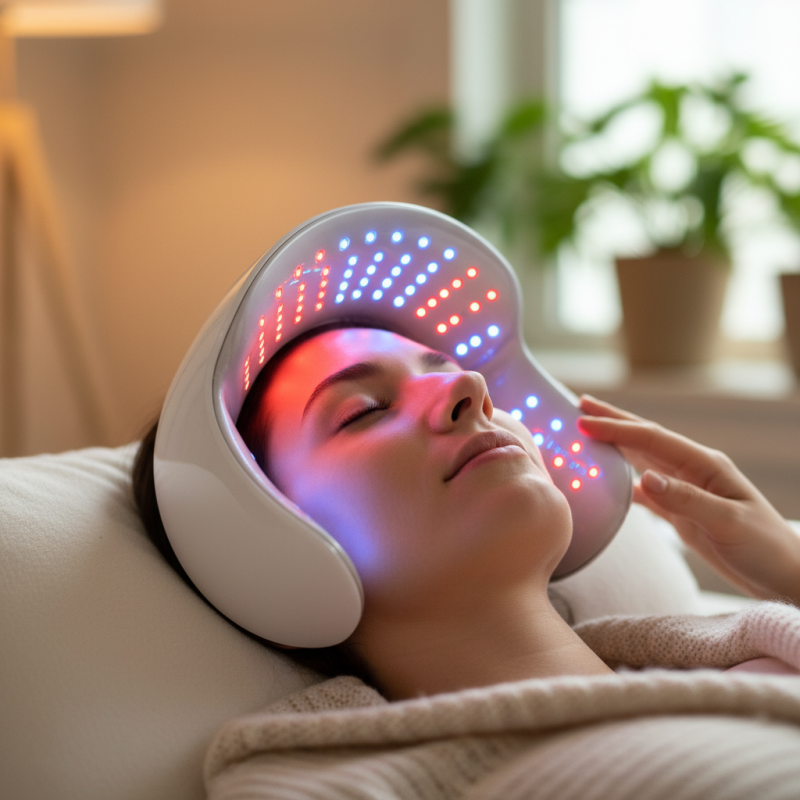
LED therapy lights have gained attention for their potential benefits in skincare and overall well-being. These devices emit specific wavelengths of light that can penetrate the skin. This process stimulates cell regeneration and can improve various skin conditions. Users often report positive effects, such as reduced inflammation and enhanced healing.
Understanding the types of LED therapy lights is crucial. Red light therapy, for instance, is popular for its anti-aging properties. It helps in collagen production, which is essential for youthful skin. Blue light therapy targets acne-causing bacteria, making it effective for those struggling with breakouts. There is also near-infrared light, which can reach deeper tissues. This may aid in pain relief and muscle recovery. Many individuals have found relief and improvement, but results can vary.
It's important to consider the proper usage of these devices. Overexposure to light can lead to skin irritation. Setting realistic expectations matters; not everyone experiences immediate results. Personal skin type and condition will influence effectiveness. If you're uncertain, consulting a healthcare provider before starting LED therapy can offer guidance tailored to your needs.
Types of LED Therapy Lights: A Comprehensive Overview
LED therapy lights come in various types, each designed for specific needs. Red light therapy is popular for skin rejuvenation. It stimulates collagen production, improving the skin's texture and elasticity. Many users report fewer wrinkles and a more youthful appearance after consistent use.
Blue light therapy targets acne by killing bacteria on the skin. This type of therapy can reduce inflammation and help clear existing breakouts. However, it may take several weeks to see significant results. Some people also find the light irritating, so it’s essential to test sensitivity before starting regular sessions.
Near-infrared therapy is another option. It penetrates deeper into tissues, promoting healing for muscle pain and joint issues. Users often experience a decrease in pain and improved mobility. However, finding the right dosage and duration may require trial and error. Each type of LED therapy light has distinct benefits, but individual responses can vary widely. It’s crucial to consider personal goals and skin types when choosing a device.
Key Factors to Consider When Choosing LED Therapy Lights
When selecting LED therapy lights, several key factors should guide your decision. First, consider the wavelength of light. Different wavelengths target various skin issues. The 600-640 nm range is effective for anti-aging, while 800-870 nm is beneficial for deeper tissue treatments. Studies indicate that the right wavelength enhances cellular activity. This improves healing and rejuvenation.
Intensity is another critical aspect. Higher intensity lights deliver quicker results but can cause discomfort. A balance must be struck. Research shows that 50-150 mW/cm² is optimal for effective therapy. If the light is too weak, results may be sparse. Too strong, and discomfort could deter regular use.
The treatment time also plays a role. Many professionals recommend sessions lasting 10-30 minutes. Longer exposure does not always yield better results. Users should monitor their skin response. This helps prevent overexposure or irritation. Take time to read user reviews and scientific literature. Real experiences can help refine your choice and set realistic expectations.
Evaluating the Quality and Safety of LED Therapy Lights
When evaluating LED therapy lights, focus on both quality and safety. Research shows that LED therapy can improve skin conditions and reduce pain. However, not all devices are created equal. Ensuring compliance with safety standards is crucial. Look for lights that meet guidelines from reputable organizations like the FDA or ISO.
Quality encompasses more than just brightness. Consider the wavelength of the light. Studies indicate that different wavelengths target specific issues. For example, red light penetrates deep for inflammation, while blue light is effective against acne. You might find variance in output despite similar appearances. A detailed spectral analysis will reveal hidden differences.
Furthermore, user reviews play a significant role. They provide insights into actual performance. Beware of overly positive reviews; they may not reflect reality. Users often highlight issues that manufacturers overlook. Balance your decision with both positive and critical feedback, ensuring a comprehensive understanding. Quality should consistently outweigh marketing hype in your evaluation.
How to Use LED Therapy Lights Effectively for Best Results
When using LED therapy lights, location matters. Set the light a safe distance from your skin. This ensures effective treatment without discomfort. For best results, choose a specific area to target. Consistency is key in your routine.
Timing also plays a crucial role. Each session should last about 10 to 20 minutes. Avoid overusing the light, as this may lead to diminishing returns. Pay attention to how your skin reacts. Some individuals may experience redness or irritation.
It's important to note that results vary among users. Patience is essential. Don't expect immediate changes; give your skin time to respond. Experiment with different wavelengths for optimal effects. Track your progress in a journal. This can help refine your approach and enhance overall effectiveness.