How to Choose Rigid Flex PCB for Your Project in 2026?
Choosing the right rigid flex PCB for your project in 2026 requires careful consideration. These flexible circuits combine both rigid and flexible elements, making them versatile. They are perfect for modern devices demanding both durability and flexibility.
However, many factors influence the decision. Think about the application, size, and complexity of your design. A small mistake can lead to major issues later. Pay attention to material quality and manufacturing processes. The right choice can enhance performance, while the wrong one can lead to failure.
Reflect on your project's specific needs. What kind of environment will the PCB operate in? Understanding these details helps in making informed decisions. Rigid flex PCB solutions can be rewarding, but they also come with challenges. Approach them with an open mind and a willingness to learn.
Understanding Rigid Flex PCBs: Basics and Benefits
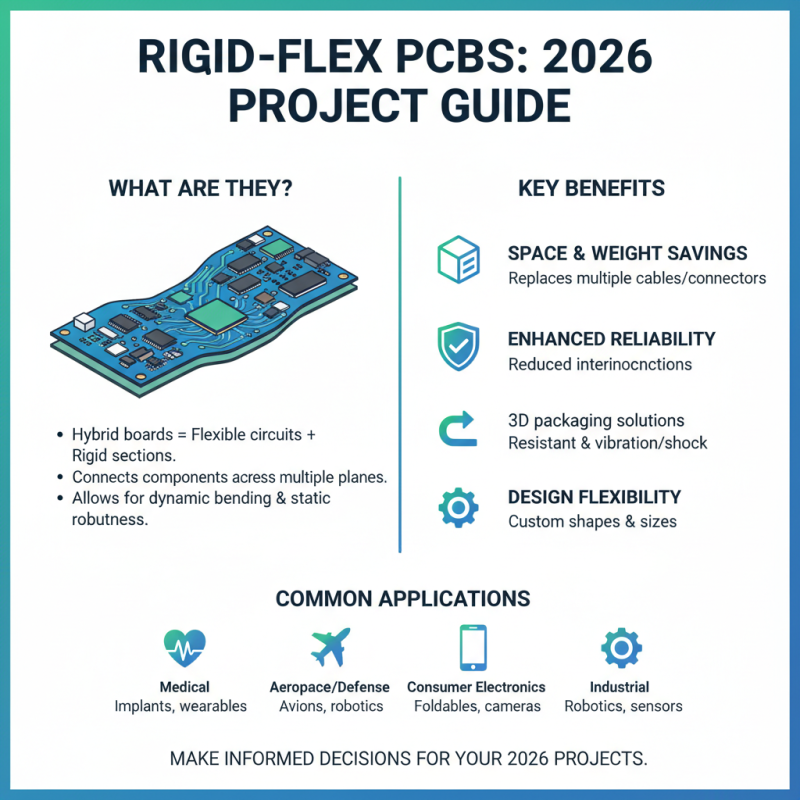
Rigid flex PCBs combine the flexibility of flexible circuits with the durability of rigid boards. They are widely used in various applications. Understanding their basics can help in making informed decisions for your projects in 2026.
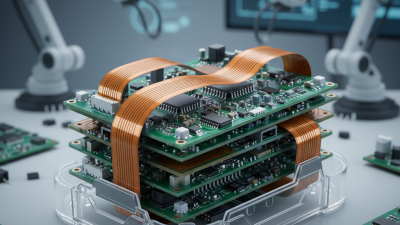
These circuits blend rigid and flexible materials. This allows for complex designs and space-saving solutions. The main benefit is their adaptability. They can be bent and twisted without damaging the circuit, which is crucial for wearable technology or compact devices.
Tips: When selecting a rigid flex PCB, consider the bending radius. A tighter radius can lead to performance issues. Also, think about the layers needed for your design. Too many layers can complicate manufacturing and increase costs.
Another aspect to reflect on is thermal management. Rigid flex PCBs can trap heat, affecting performance. Proper heat dissipation techniques are vital. Evaluate how your design will handle heat buildup in its intended environment.
Key Considerations for Rigid Flex PCB Design and Functionality
Choosing a rigid flex PCB requires careful consideration of design and functionality. One critical aspect is the materials used. A study published by IPC reveals that up to 60% of PCB failures can be traced back to poor material selection. It's essential to choose materials that not only meet electrical requirements but also withstand mechanical stress. The right substrate ensures durability in dynamic environments.
Another key factor is the complexity of the design. Designers face challenges with multi-layer configurations. In a report from Market Research Future, over 40% of engineers reported difficulties in managing layer count and routing. These complexities can lead to manufacturing errors or performance issues. Simplicity in design can often lead to better reliability. However, this is not always achievable, especially with miniaturization trends.
Additionally, the manufacturing process plays a pivotal role in the final product's performance. Proper alignment during fabrication is crucial. Misalignment can result in signal loss, affecting overall functionality. According to industry reports, nearly 30% of all rigid flex PCBs experience alignment issues. Regular quality checks during production can mitigate these risks, but this requires extra time and resources. Balancing these factors is paramount for success.
Evaluating Material Options for Rigid Flex PCB Construction
When selecting materials for rigid flex PCBs, there are several factors to consider. A common option is polyimide, known for its excellent thermal stability. It can withstand higher temperatures compared to other materials. However, it may not be the best for all applications, especially those requiring lower costs or specific physical properties.
Another material option is FR-4, often used where flexibility isn’t a priority. While it’s economical, its performance in extreme conditions can be limited. Users might face challenges with layer adhesion and durability during bending. It's crucial to evaluate the project needs carefully. Will the PCB frequently bend? Does it need to endure harsh environments?
Sometimes, the choice of material can lead to trade-offs. A high-performance material can increase costs significantly. Some users may overlook the long-term benefits of investing in robust materials. Understanding these nuances is essential for making informed decisions. Testing different materials in early prototypes can help identify the best fit for specific applications. This approach can save time and resources later in development.
How to Choose Rigid Flex PCB for Your Project in 2026? - Evaluating Material Options for Rigid Flex PCB Construction
| Material Type |
Thickness (mm) |
Thermal Conductivity (W/m·K) |
Dielectric Constant |
Flexibility Rating |
Cost ($/m²) |
| Polyimide |
0.1 |
0.25 |
3.0 |
Excellent |
150 |
| PTFE |
0.2 |
0.49 |
2.0 |
Good |
200 |
| FR-4 |
0.5 |
0.25 |
4.5 |
Moderate |
80 |
| Polyester |
0.15 |
0.20 |
3.4 |
Fair |
70 |
| Ceramic |
0.1 |
1.00 |
6.0 |
Poor |
300 |
Assessing Project Requirements for Rigid Flex PCB Selection
When assessing project requirements for rigid flex PCBs, it's essential to understand the specific needs of your application. The demand for flexible solutions is growing. According to a recent industry report, the global flexible PCB market is projected to reach $36 billion by 2027. This growth indicates that companies are increasingly turning to these innovative designs for high-density applications.
Consider the factors like size, weight, and reliability. Rigid flex PCBs offer a unique blend of both rigidity and flexibility. However, these materials can be costly. A wrong choice can lead to project delays or performance issues. Focus on defining the operating environment and mechanical stress your PCB will face. This insight is crucial for selecting the right materials.
Tip: Evaluate prototypes under real-world conditions. This testing can reveal unexpected challenges. If budget permits, conduct multiple iterations of prototypes to pinpoint the best design. Collaborating with experienced engineers can also provide invaluable feedback.
Keep in mind that it’s easy to overlook small details. Design complexity can lead to mistakes. Staying ahead means constant learning. Quality control is vital throughout the production process. Regular revisions and updates based on performance data can help optimize results.
Cost Factors and Budgeting for Rigid Flex PCB Projects
When considering a rigid flex PCB for your project, costs are a significant factor. Understanding the pricing structure is vital. Typically, costs depend on materials, complexity, and production methods. Rigid flex PCBs can be more expensive than standard PCBs due to their intricate designs.
Budgeting for these projects requires careful planning. Set a realistic budget that includes both production and additional testing. Remember, unexpected expenses may arise. Always allocate some funds for unforeseen changes that could occur. This helps to avoid disruptions during design and manufacturing phases.
Additionally, consider volume discounts if producing in bulk. This can reduce per-unit costs significantly. However, committing to larger orders may introduce risk, especially if project requirements change. Balancing cost with flexibility is key, and this pursuit often leads to reflection on whether the design meets all necessary requirements without overextending financial resources.