How to Choose the Best Laser Welding Machine for Your Needs?
Choosing the right Laser Welding Machine can be a challenge. With the growing demand for precision and efficiency, understanding your specific needs is vital. Different applications require different types of machines. For instance, a small repair shop may need a compact model, while a large manufacturing facility might require industrial-grade equipment.
Moreover, the technology behind laser welding is constantly evolving. Features such as power settings, speed control, and beam quality directly impact performance and outcomes. It’s essential to consider these factors carefully. Visiting manufacturers and conducting hands-on tests can provide valuable insights.
Lastly, not all machines are created equal. Some brands have a solid reputation, while others may lack in durability and support. Investing time in research and user reviews can pay off significantly. Always remember, the best Laser Welding Machine for your needs is one that balances quality, cost, and intended application.
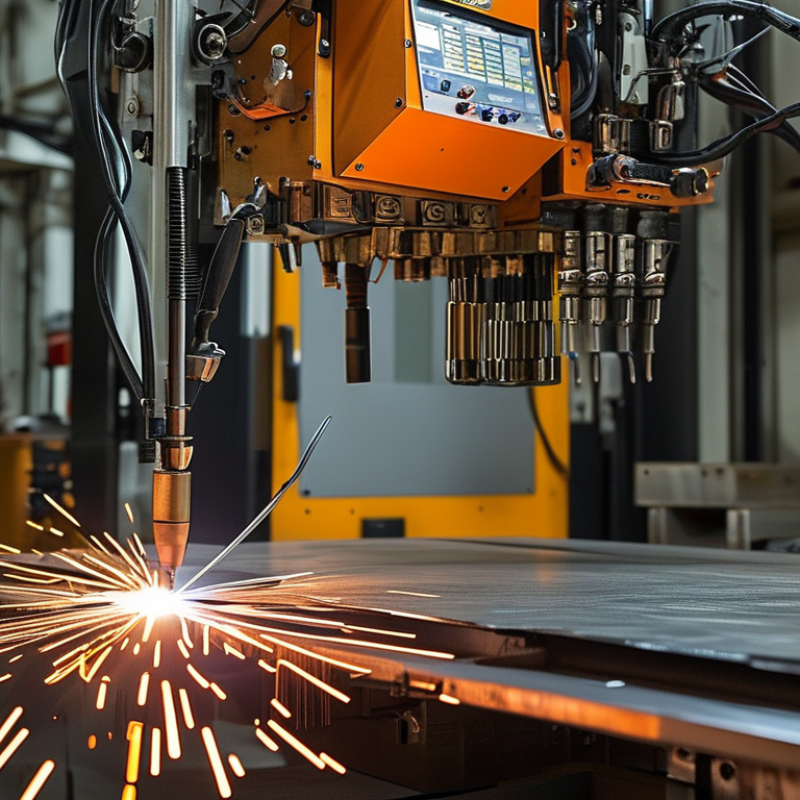
Understanding the Different Types of Laser Welding Machines
When selecting a laser welding machine, understanding the various types is essential. Different machines serve distinct purposes. For instance, fiber laser welders are ideal for precise welding in thin materials. Their efficiency in energy use makes them popular among manufacturers. CO2 lasers, on the other hand, excel in cutting thicker metals. They produce a longer wavelength, which can be beneficial for certain applications.
Each type has its drawbacks. Fiber lasers might struggle with reflective surfaces, while CO2 lasers require more maintenance. It's important to analyze your specific welding requirements before making a choice. If your project involves diverse materials, consider a dual-purpose machine. This option allows flexibility for various tasks but can compromise efficiency in specialized applications.
Think about the training required for your team as well. Some machines may have a steep learning curve. Investing in user-friendly technology might save time and reduce frustration. Evaluating your needs against the capabilities of different machines will lead to a more informed decision. Each choice reflects your operational goals and budget constraints.
Key Specifications to Consider When Choosing a Laser Welding Machine
When selecting a laser welding machine, several key specifications must be considered. Power output is crucial. A higher wattage often translates to faster welds, but this can lead to increased heat, which might affect materials' integrity. Evaluate the materials you'll be working with. Some machines perform better with specific metals.
The type of laser is another important factor. Fiber lasers are excellent for metalwork, while CO2 lasers are better suited for non-metallic materials. The beam width and focal length can influence the precision of the weld. Adjustability in these settings allows for versatility in different applications.
Speed of operation is significant, too. A faster machine can improve productivity, but ensure that it does not compromise weld quality. Consider the cooling system as well. Effective cooling can extend the machine's lifespan, but it may also add to maintenance costs. Reflect on these aspects carefully to find a machine that aligns with your specific needs and operational demands.
Evaluating the Material Compatibility of Laser Welding Equipment
When selecting a laser welding machine, material compatibility is crucial. Different materials require distinct parameters and methods. For instance, stainless steel, aluminum, and copper have varying absorption rates for laser energy. This affects the weld quality. Understanding these differences can guide you in choosing the right equipment.
Evaluating the laser's wavelength is vital. Certain materials absorb specific wavelengths better. For example, fiber lasers work effectively with metals, but may not be suitable for plastics. Consider the thickness of the material too. Thicker materials typically need more power to achieve a good weld. Insufficient power can lead to weak joints.
Moreover, the type of joint and welding position impact the choice of equipment. If you're working on intricate parts, high configuration flexibility is a must. Not every machine excels in all aspects. Assessing your unique application ensures you invest wisely. Strive for a balance between power and precision. This kind of evaluation is essential for a successful welding process.
Assessing Power Requirements for Optimal Laser Welding Performance
When choosing a laser welding machine, assessing power requirements is critical. Power often determines the quality and efficiency of the welding process. For instance, a machine with 1,000 watts may suffice for thin materials. In contrast, a 3,000-watt model is necessary for thicker metals. According to industry reports, selecting the right power can reduce processing time by up to 40%.
It’s essential to consider material types and thickness. Different materials absorb laser light differently. Aluminum, for instance, requires higher power levels compared to stainless steel. A report from the Laser Institute of America notes that improper power settings can lead to issues like burn-through or poor penetration. Therefore, continually adjusting power based on specific applications is vital.
Energy efficiency also plays a role. Machines that utilize fiber lasers often have superior energy management. Engaging with power settings regularly can yield better results. Some may overlook this aspect, leading to unforeseen costs or subpar results. Investing time in understanding machine specifications can greatly enhance production quality and maintain operational efficiency.
Budgeting for Your Laser Welding Machine: Cost vs. Quality
When budgeting for a laser welding machine, consider both cost and quality. A low-priced machine might seem like a great deal, but it often lacks reliability and durability. Investing in a quality machine can save money in the long run. It reduces maintenance costs and produces better welds. The initial price may be higher, but quality usually leads to improved performance.
It's essential to examine the specifications before making a purchase. Do not just focus on the price tag. Look for features that enhance effectiveness and efficiency. Machines with higher power capacities or advanced cooling systems may cost more, but they can perform better on tough materials.
Consider your specific needs. If you are a hobbyist, a less expensive unit might suffice. However, for industrial applications, opting for a more robust machine is wise. Keep in mind the learning curve too. Cheaper options might be less user-friendly. Investing in a more intuitive machine can enhance productivity. It's crucial to balance your budget with the right quality for your welding tasks.