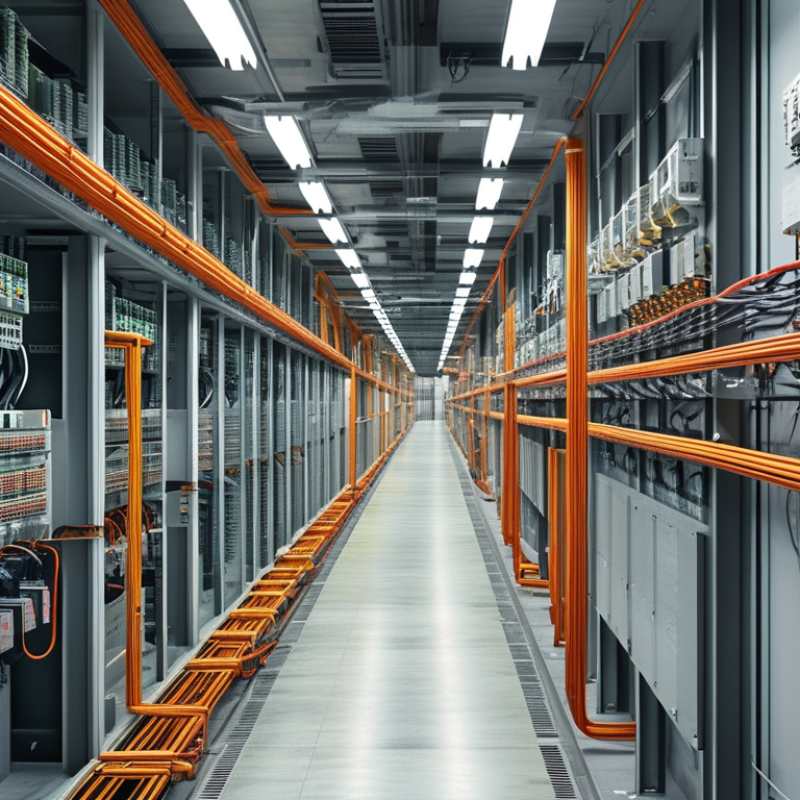
What is Busbar Trunking and How Does It Work?
Busbar Trunking is a vital technology in electrical distribution systems. It serves as an efficient solution for power transmission in various settings. Understanding its function and benefits can enhance operational efficiency in facilities.
This system functions by providing a streamlined pathway for electrical currents. Unlike traditional wiring, Busbar Trunking features a compact design that minimizes installation space. Its modular structure allows for quick adjustments and expansions when needed.
However, it is essential to recognize potential challenges. While Busbar Trunking offers numerous advantages, installation requires skilled expertise. Improper installation can lead to safety hazards. Continuous monitoring and maintenance are necessary for reliable operation. Overall, embracing Busbar Trunking technology may offer great promise for modern electrical systems.
What is Busbar Trunking and Its Importance in Electrical Distribution
Busbar trunking is a critical component in modern electrical distribution systems. It streamlines the process of electricity distribution in commercial and industrial settings. By minimizing energy loss, busbars increase efficiency. According to a recent report by the International Energy Agency (IEA), effective power distribution can reduce energy waste by up to 30%, demonstrating the importance of busbar technology in sustainable practices.
The main benefits of busbar trunking include reduced installation time and improved safety. These systems can handle higher current loads while requiring less space than traditional wiring. The design allows for easier modifications and expansions, meeting the dynamic needs of facilities. Data from industry experts at Electrical and Electronics Engineers (IEEE)indicates that facilities adopting Busbar Systems see a20% reduction in maintenance costs over time.
Tip: Regular inspections of busbar trunking are essential. Look for signs of wear or overheating. This proactive approach helps maintain system reliability.
Performance is key. Despite its advantages, busbar trunking can face issues like thermal expansion and corrosion. Avoiding these challenges requires careful planning and execution in installation. It’s critical to ensure the system is designed for the specific environment it serves.
Tip: Always consult with electrical engineers. Their expertise can help optimize system design and functionality for unique applications.
Components of Busbar Trunking Systems Explained
Busbar trunking systems are crucial for electrical distribution in large buildings. These systems consist of several key components. The busbar itself, made from copper or aluminum, carries electrical current. Insulation surrounds the busbars to ensure safety. Additionally, there are enclosures that protect the system from environmental damage.
Connectors facilitate the connection to various electrical loads. Each connector is designed for specific currents. Furthermore, a jointing system allows segments to be linked together seamlessly. This modular design simplifies installation and maintenance.
Tips: Regular inspections of busbar trunking are essential. Look for signs of wear or overheating. Ensuring tight connections can prevent future electrical issues.
Properly planned layouts improve efficiency. Consider the weight and size of each component during installation. A well-organized system reduces the risk of accidents. While busbar trunking systems offer many advantages, careful attention to detail is crucial for optimal performance.
How Busbar Trunking Operates: A Detailed Overview
Busbar trunking systems are essential in modern electrical distribution. These systems consist of a series of conductors housed in a protective enclosure. They provide a safe and efficient way of distributing electrical power across facilities. In many industries, busbars are preferred for their reliability and ease of installation. According to industry reports, the global market for busbar trunking systems is projected to grow at a compound annual growth rate (CAGR) of 6.2% from 2021 to 2028.
Understanding how busbar trunking operates can enhance its effectiveness. The conductivity of materials used, such as aluminum or copper, significantly impacts performance. Properly sized conductors reduce resistance, enhancing energy efficiency. For instance, oversized conductors can lead to unnecessary costs. A balance is necessary to optimize performance and cost. Studies also indicate that effective heat dissipation ensures safety and longevity of the system.
Busbar trunking systems offer modular design flexibility. They can easily adapt to changing layouts in a facility. However, this adaptability requires constant assessment of electrical loads. Unexpected surges can lead to failures if systems are not calibrated. Regular maintenance checks are crucial for operational continuity. Taking a proactive approach allows facilities to avoid costly downtimes and improve overall efficiency.
What is Busbar Trunking and How Does It Work?
| Feature | Description | Advantages | Applications |
| Design | A busbar trunking system consists of copper or aluminum bars enclosed in a protective casing. | Compact design and reduced installation time. | Industrial plants, commercial buildings, data centers. |
| Current Rating | Busbar trunking systems are rated for specific current capacities. | High current carrying capacity and reduced power losses. | Power distribution in large facilities. |
| Flexibility | They can be easily extended or modified without extensive rewiring. | Adaptability for changing electrical loads. | Modular buildings, temporary installations. |
| Safety | Encased in metal or insulated materials to reduce fire risk. | Increased safety for personnel and equipment. | Electrical generation plants, substations. |
| Efficiency | Low impedance compared to traditional wiring methods. | Reduced energy losses and improved performance. | Renewable energy systems, heavy manufacturing. |
Advantages of Using Busbar Trunking in Modern Installations
Busbar trunking is gaining popularity in modern electrical installations. Its design offers numerous advantages, making it an ideal choice for various applications. One major benefit is its efficiency. Busbar systems can handle high current loads with minimal energy loss. This is crucial for facilities that require reliable power supply.
Another advantage is the reduced installation time. Busbar trunking systems are pre-fabricated and modular. This means they are easier and faster to install compared to traditional wiring methods. Additionally, they require less space. This feature is particularly beneficial in areas with limited room for electrical infrastructure.
Tips: Consider the layout of the space before installation. Proper planning can ensure optimal performance. Regular maintenance is also vital. Checking for wear and keeping connections tight can prevent issues. Be aware that while busbars are efficient, they may require specialized knowledge for installation. Do your research to find qualified professionals. Balancing speed and safety is essential.
Common Applications and Industries Utilizing Busbar Trunking
Busbar trunking has become essential in various industries. It serves as an effective solution for electrical distribution in commercial and industrial settings. The design allows for quick installation and adaptability in buildings. Industries such as manufacturing, data centers, and transportation increasingly rely on this system.
In manufacturing, busbar trunking efficiently distributes power to heavy machinery. This power distribution promotes seamless operations in factories. Data centers also utilize this technology. They require reliable and efficient power management to support numerous servers. In transportation, busbar trunking provides a compact solution for energy distribution in trains and buses.
While the benefits are clear, there are challenges. Installation requires careful planning. Ensuring proper load calculations is crucial. Overloading can lead to failures and downtime. Additionally, maintenance should not be overlooked. Regular inspections help in identifying wear and tear. Overall, awareness of these factors is necessary for maximizing the benefits of busbar trunking in various applications.