2026 Best PCB Components for Electronics What to Consider?
In the rapidly evolving world of electronics, selecting the best PCB components is crucial. The global PCB market is projected to reach $82 billion by 2026, highlighting the significance of high-quality components. Industry expert Dr. Emily Chen states, “The right PCB components can make or break a product's reliability.” Her insight reflects the pressing need for innovation and quality in this sector.
Understanding the factors that influence component selection is key. For instance, compatibility with design specifications, thermal performance, and long-term reliability are essential criteria. However, manufacturers often overlook the importance of these factors. They might prioritize cost over quality, risking product failure in the long run.
Design engineers face many challenges in sourcing PCB components, including supply chain disruptions. The COVID-19 pandemic exposed vulnerabilities in sourcing and production. Companies must reassess their strategies to ensure resilience in their supply chains. While the industry continues to grow, it must also navigate these complex challenges to maintain trust and performance in electronic devices.
Understanding PCB Components: An Overview
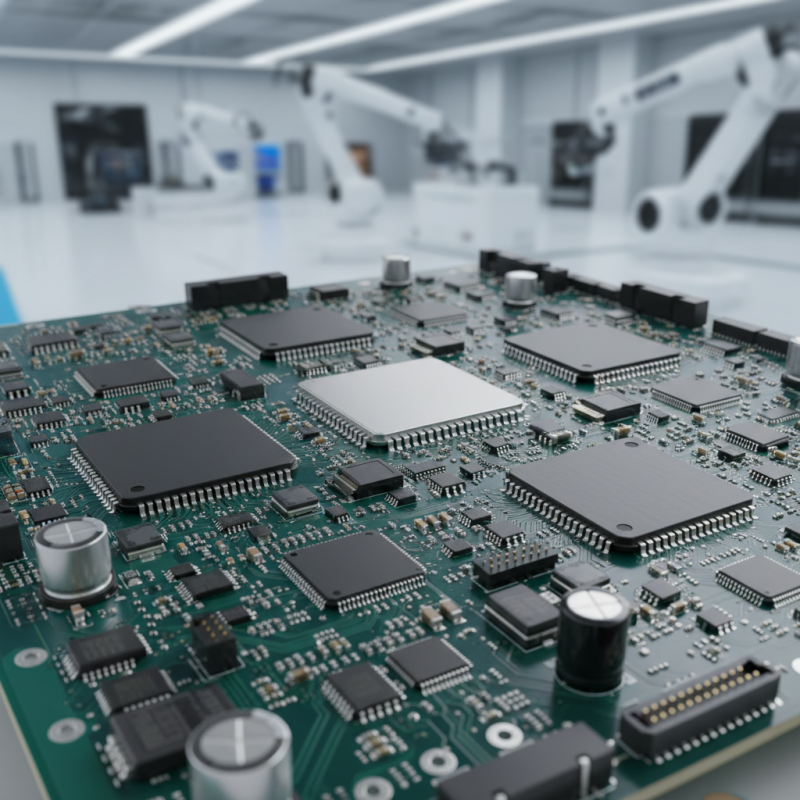
When we talk about PCB components, it's important to grasp their functions. Each component serves a specific role within an electronic circuit. Resistors limit current, while capacitors store energy. Inductors are crucial for filtering signals. Understanding these components helps in designing efficient circuits.
The effectiveness of the PCB often depends on component selection. Consider the size, power rating, and tolerance. Mistakes can lead to circuit failures. For example, using a capacitor with incorrect voltage ratings may cause issues. Similarly, choosing the wrong resistor value affects performance. Each decision has consequences.
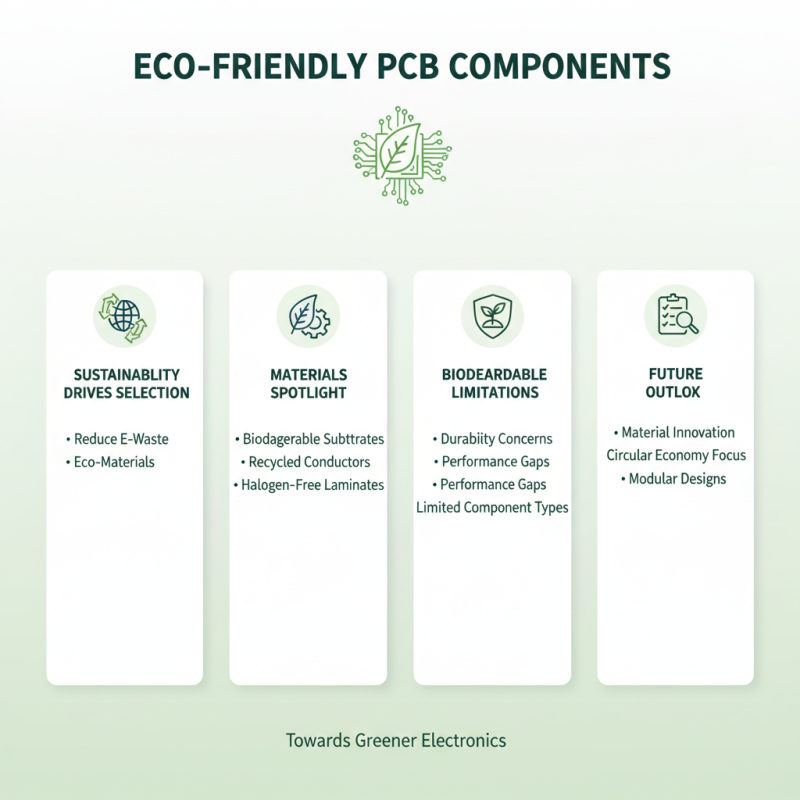
Moreover, one should reflect on sustainability. Many components are not eco-friendly. This raises questions about their disposal. Think about alternatives that reduce electronic waste. It's vital to consider not only functionality but also environmental impact. Balancing performance and sustainability can be challenging yet rewarding.
Key Factors When Selecting PCB Components
Selecting the right PCB components can dramatically affect your electronic projects.
The key factors when choosing PCB components include quality, size, and functionality.
Quality assurance is crucial. Poorly made components may lead to failure, causing costly delays.
It’s important to research manufacturer reputations. Check reviews and ask colleagues for recommendations.
Size matters as well. Components must fit on the PCB.
Ensure that the dimensions are compatible with your design.
Compact projects might need miniaturized parts. Sometimes, small components can be tricky to solder.
Precision is often required.
Functionality is the heart of the decision. Each component serves a specific purpose.
Understand how parts interact within your circuit. Overlooking this can lead to mismatched specs.
Balancing performance and cost is tricky but necessary.
Often, higher quality costs more but saves in the long run.
Top PCB Component Types for Electronics in 2026
In 2026, selecting the right PCB components is vital for any electronics project. Various component types, such as resistors, capacitors, and ICs, all play unique roles. Resistors limit current flow, while capacitors store energy. Understanding each component's function enhances design effectiveness.
When considering PCB components, look for compatibility and reliability. Not every component will work seamlessly together. Incompatible parts may lead to malfunctions. Always check specifications and tolerances.
Tip: Invest time in researching new technologies. Emerging components can improve efficiency but may require a learning curve. Don't rush the process. This experimentation can lead to better outcomes.
Another aspect is environmental impact. Durable components may save costs over time but can be harder to source. Striking a balance will require reflection on your design goals. Aim for sustainable choices whenever possible.
2026 Best PCB Components for Electronics What to Consider?
| Component Type |
Key Features |
Common Applications |
Considerations |
| Resistors |
Adjust electrical current and voltage |
Voltage dividers, current limiting |
Tolerance, temperature coefficient |
| Capacitors |
Store and release energy |
Filters, power supply smoothing |
Voltage rating, capacitance value |
| Inductors |
Store energy in a magnetic field |
Power supplies, RF applications |
Inductance value, core material |
| Diodes |
Allow current to flow in one direction |
Rectification, voltage regulation |
Repetition frequency, breakdown voltage |
| Transistors |
Amplify or switch electronic signals |
Signal processing, switching |
Gain, frequency response |
| Connectors |
Establish electrical connections |
Inter-circuit connections |
Contact resistance, mating cycles |
| Microcontrollers |
Embedded control applications |
Robotics, IoT devices |
Processing speed, power consumption |
| LEDs |
Light emitting diodes |
Indicators, displays |
Wavelength, brightness |
Innovative Technologies Influencing PCB Components
In the rapidly evolving world of electronics, innovative technologies play a significant role in shaping PCB components. Advanced materials are now commonplace. For instance, flexible PCBs allow devices to fit in tighter spaces and move easily. This flexibility is crucial for wearable technology. High-frequency applications benefit from improved materials that reduce signal loss. New substrates enable faster data transmission while keeping devices lightweight.
Another important trend is the use of automation in PCB manufacturing. Automation reduces errors and increases precision. However, it can also cut costs dramatically, making high-quality PCBs more accessible. Still, relying too much on automation can lead to oversights. This reliance requires constant evaluation and adjustment. As technology advances, so should the skills of those who design and assemble these components.
Design software has also progressed significantly. These tools simplify complex workflows and enable better simulations. Nevertheless, they can create a false sense of security. Engineers must regularly validate their designs through physical prototypes. This mix of automation and hands-on testing is essential in refining PCBs for next-gen applications. Balancing these innovations with traditional methods can lead to more reliable electronic products.
2026 Best PCB Components for Electronics: Key Considerations