2026 Best Electric Mountain Bikes to Buy
Choosing a 2026 Electric Mountain Bike is not just a motor-and-battery decision. It is about how the bike climbs loose rock, corners on a narrow trail, and feels when the trail turns steep. The market has grown quickly: Circana reported that U.S. e-bike sales rose 269% from 2019 to 2022. That figure covers e-bikes broadly, not electric mountain bikes alone, so it signals momentum rather than a direct measure of trail-bike demand.
Useful comparisons need more than headline range claims. Battery capacity, motor assistance, suspension travel, frame fit, and total weight all affect the ride. A 750 Wh battery may sound reassuring, but it can add weight; a lighter setup may feel livelier, yet require more careful range planning. Small details matter. Check the brakes, tire casing, and service support, too. They are easy to overlook.
For a grounded trail perspective, IMBA’s executive director, Dave Wiens, has emphasized responsible riding and local trail-access guidance in discussions of eMTBs. That is a useful reminder, not a substitute for checking access rules where you ride. Industry data also needs context: sales growth cannot tell you whether a particular bike suits your body, terrain, or budget. This guide compares leading 2026 models by ride character, components, battery, and value. Some rankings will remain subjective. A test ride may overturn them.
What Defines an Electric Mountain Bike in 2026?
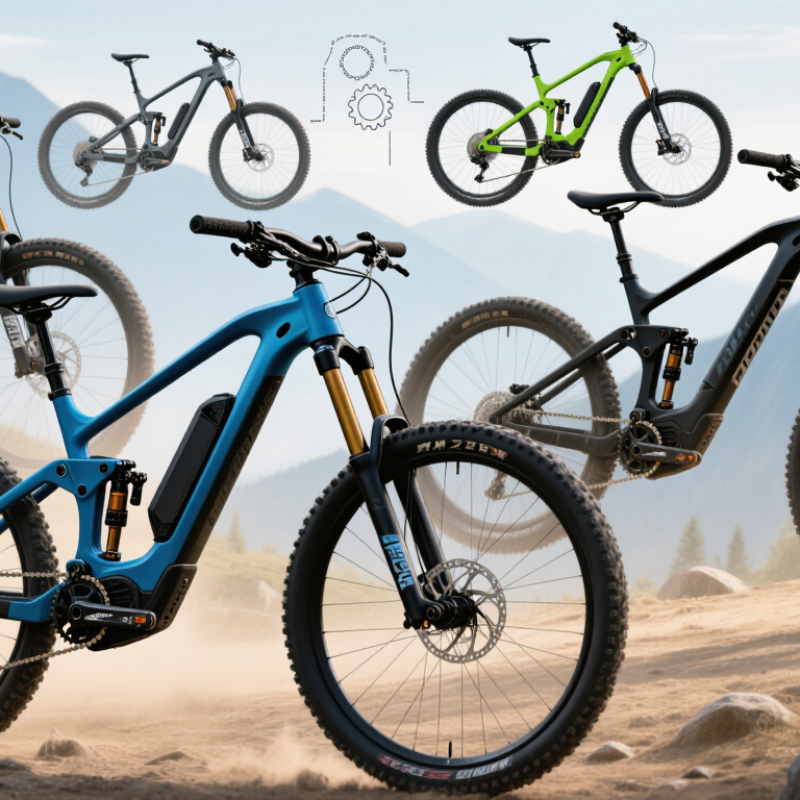
In 2026, an electric mountain bike is more than a trail bike with a motor attached. It combines pedal assistance, a rechargeable battery, and off-road components designed for uneven ground. The motor should support your pedaling, not replace it. A torque sensor can make assistance feel more natural as you press harder on steep climbs. A display should show useful details, such as battery level and assistance mode, without distracting you from the trail.
The frame, suspension, tires, and brakes matter just as much. Look for stable handling, grippy tread, and brakes that feel controlled on long descents. Battery range depends on rider weight, hills, temperature, and assistance settings. Published estimates can be optimistic. I would treat them as a guide, not a promise. There is no single specification that makes a bike right for every rider.
Tips: Check the bike’s weight and battery access before buying. If possible, test it on a short climb and a rough path. Notice how smoothly the motor responds, and whether the suspension feels composed over roots. A small detail can bother you later; saddle comfort, for example, is easy to overlook in a quick test.
2026 Best Electric Mountain Bikes to Buy — What Defines an Electric Mountain Bike?
In the commonly used US classification system, Class 1 and Class 2 e-bikes provide motor assistance up to 20 mph, while Class 3 provides pedal-assist up to 28 mph. Class 2 also has a throttle. These are classification limits, not recommended riding speeds; rules can vary by location, and trail access may depend on local regulations.
Which Features Matter Most for Trail Riding?
For trail riding, the best electric mountain bike is not simply the one with the biggest motor or battery. Look for predictable assistance that responds smoothly when you pedal over loose dirt or climb a short, steep pitch. Peak power figures can be useful, but they do not tell you how the bike feels at low speed. Battery range also varies with rider weight, temperature, terrain, and assist level. Treat advertised distances as estimates, not promises.
Fit and handling matter just as much. A bike that feels stable on a rocky descent may seem awkward on tight, winding paths, so consider the trails you actually ride. Check that the suspension suits your terrain, the tires have dependable grip, and the brakes feel controlled on long descents. Added battery and motor weight can make lifting or maneuvering harder. It is easy to overvalue specifications and overlook that daily trade-off.
Tips: Test the bike on a climb and a rough turn, if possible. Notice whether assistance starts smoothly and whether you can reach the controls comfortably. Check battery capacity against your usual ride length, with a reserve for hills or cold weather. A perfect setup is unlikely; prioritize fit, reliable braking, and handling you can manage.
2026 Best Electric Mountain Bikes to Buy - Which Features Matter Most for Trail Riding?
Feature guide by riding style. The specifications below are general ranges for current electric mountain bikes, not specifications for individual models. | Trail-Riding Style | Motor and Assist | Battery Capacity | Suspension Travel | Tires and Brakes | Features That Matter Most |
| Flow trails and moderate climbs | A moderate-output mid-drive system; around 50–70 Nm of torque is common in lighter trail setups. | About 400–600 Wh can suit shorter rides and reduce battery weight. | Approximately 120–140 mm front and rear. | Roughly 2.3–2.5-inch tires; two-piston brakes may suit lighter bikes and less demanding terrain. | Low overall weight, natural-feeling assistance, easy handling, and a removable battery if convenient charging matters. |
| All-round trail riding | A mid-drive system around 60–85 Nm offers a useful balance for varied climbs and descents. | About 500–750 Wh is a versatile range; actual ride distance depends on terrain, rider weight, assist level, and temperature. | Approximately 140–160 mm front and 130–150 mm rear. | Roughly 2.4–2.6-inch tires; four-piston brakes are a practical choice for added control on longer descents. | Balanced geometry, predictable assistance, durable wheels, reliable brakes, and a battery size matched to typical ride length. |
| Steep, rough, or technical trails | A higher-torque mid-drive system—often around 75–90 Nm—can help on slow, steep climbs; smooth power delivery remains important for traction. | About 600–800 Wh can support longer or more demanding rides, with a weight trade-off. | Approximately 160–180 mm front and 150–170 mm rear. | Roughly 2.4–2.6-inch tires with trail-appropriate casings; four-piston brakes and larger rotors are useful for sustained braking. | Stable geometry, strong wheels, dependable suspension, adequate ground clearance, and brakes suited to rider and system weight. |
| Long days and extended climbs | Choose assistance that feels controllable across low and high support modes; maximum torque alone does not determine ride quality. | About 700–800 Wh, or a compatible range-extender option where available, can increase energy capacity. | Approximately 130–160 mm, depending on how much descending capability is needed. | Moderate-width tires with a durable casing can balance grip, rolling resistance, and puncture protection; select brakes for the terrain. | Battery capacity, charging options, efficient tires, comfortable fit, and accessible service support matter more than peak power claims. |
Before buying: Compare complete-bike weight, battery warranty, replacement-battery availability, suspension setup, and local e-bike rules. Torque, battery capacity, and range figures are not directly comparable across measurement methods or riding conditions.
What Types of Electric Mountain Bikes Are Available?
Electric mountain bikes come in several distinct forms, and suspension is the clearest place to start. A hardtail has front suspension and a rigid rear frame. It feels direct on smooth climbs, gravel paths, and modest trails, while usually weighing less than a comparable full-suspension bike. Full-suspension models add a rear shock to absorb roots and sharp rocks. They suit rougher descents, though their added parts mean more maintenance. Simple, but not soft. Travel varies by design, so compare intended terrain rather than relying on labels alone.
Motor output creates another useful distinction. Lightweight models use smaller batteries and gentler assistance, often keeping a more natural ride feel; full-power models provide stronger support for steep climbs and longer outings. Trail and enduro versions generally pair that power with sturdier frames and greater suspension travel. The NPD Group reported that U.S. e-bike unit sales rose 240% from 2019 to 2021, but that figure covers all e-bikes, not mountain bikes specifically. Treat it as evidence of wider category growth, not proof that one eMTB type is best. Battery range also changes with rider weight, terrain, temperature, and assist level. More range usually means more weight. The category labels can blur, so check suspension travel, battery capacity, and intended trail conditions before choosing.
Best Electric Mountain Bikes to Buy in 2026
Best Electric Mountain Bikes to Buy in 2026
Choosing an electric mountain bike in 2026 starts with the trails you actually ride. For steep, rocky routes, look for predictable motor assistance, strong brakes, and suspension that stays composed over repeated bumps. For smoother paths, a lighter bike may feel easier to steer and transport. Battery range depends on rider weight, terrain, temperature, assistance level, and tire pressure, so treat advertised figures as estimates rather than promises. Check that the display is readable in bright sunlight, and make sure the battery can be removed if you need to charge it indoors.
Tips: Test-ride on a climb, not just a flat path. Check the frame size, brake feel, and how naturally the motor responds. Bring your usual riding shoes.
Compare total weight and service needs before buying. A powerful motor can help on long climbs, but it may also drain the battery faster and make the bike harder to lift onto a rack. Ask how suspension settings can be adjusted for your weight and riding style. Inspect cable routing, tire clearance, and the warranty terms. Small details matter. I would not choose by range alone; I have to admit, comparing specifications can still feel less useful than a careful test ride.
How to Compare Models and Choose the Right Bike
Comparing electric mountain bikes starts with where you will ride, not the largest battery or highest power figure. For steep, rocky trails, check motor support on climbs and whether the battery can be removed for charging. A larger battery may add weight, which you will notice when lifting the bike onto a rack. Fit matters. Compare frame sizes, reach, and handlebar position, then test the bike if possible.
Suspension travel and tire width affect comfort and control, but more is not automatically better. Match them to your terrain and riding pace. Inspect brake feel, gear range, and tire clearance, too. On a test ride, try a short climb and a controlled descent; listen for rattles and notice whether the assist feels smooth. It is easy to focus on specifications and overlook handling. I’d still give fit the final say.
Tips: Set a realistic budget that includes a helmet, basic tools, and routine servicing. Ask about battery replacement costs and service access before buying. Bring your usual riding shoes for a fit check. A model that looks perfect online may feel awkward in person.