

As we look ahead to 2026, the role of technology in our daily lives continues to evolve. One of the most promising innovations is the Smart System Locker. This advanced storage solution offers numerous advantages for businesses and individuals alike. Its impact is felt in various sectors, from logistics to retail.
The Smart System Locker is designed for efficiency and security. With its user-friendly interface, accessing belongings becomes seamless. Users can retrieve items with a simple code or app interaction. This convenience addresses the growing need for security and quick access in modern environments. However, like any technology, it faces challenges that require careful consideration.
Despite the benefits, not all users embrace the Smart System Locker immediately. Some may find the technology intimidating. Others question reliability and maintenance. As we prepare for wider adoption, these concerns must be addressed. Continuous improvements and user education are essential for ensuring success. The promise of Smart System Lockers is bright, but understanding and resolving potential drawbacks is crucial.
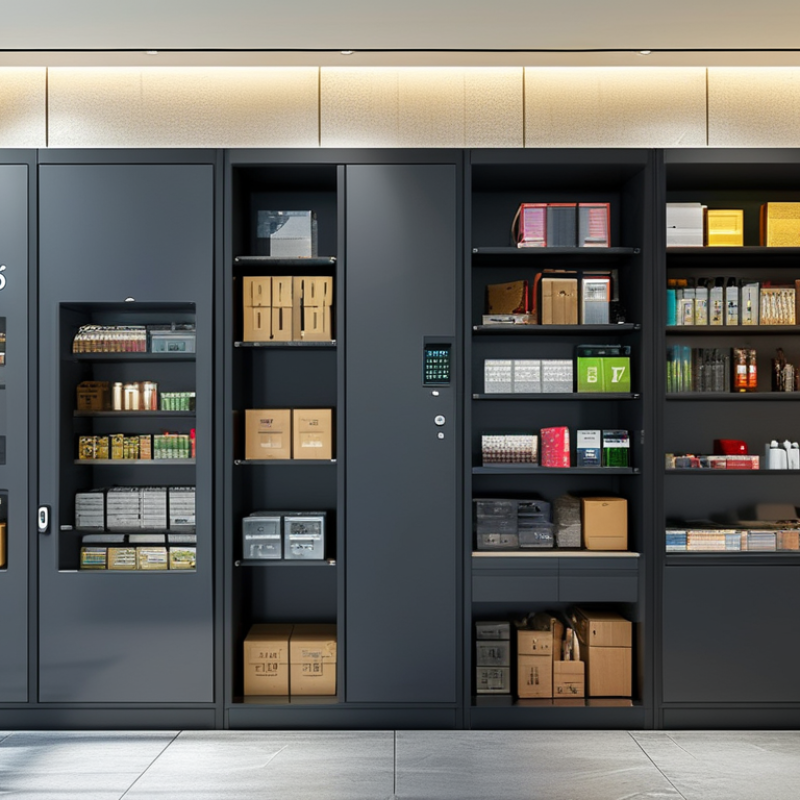
In 2026, smart system lockers have revolutionized storage solutions. These lockers offer enhanced security features, such as facial recognition and mobile app access. Users can easily retrieve or drop off packages without the hassle of interacting with staff. This is particularly valuable in busy urban areas, reducing waiting times significantly.
Moreover, smart system lockers encourage sustainable practices. Many units are designed with energy efficiency in mind. They minimize the environmental impact often associated with traditional delivery methods. However, concerns about privacy arise with data collection. Users must be aware of how their information is stored and used. This aspect warrants careful consideration.
Lastly, integrating these systems into public spaces presents challenges. Not all areas can accommodate them seamlessly. Urban planners must consider space and accessibility. Balancing technology with human needs is essential for successful implementation. The continuous evolution of smart lockers invites ongoing dialogue about their role in our daily lives.
| Benefit | Description | Key Features | User Segment |
|---|---|---|---|
| Increased Security | Smart lockers provide enhanced security through digital access controls and real-time monitoring. | Biometric access, digital tracking, remote monitoring | Businesses, Universities, Logistics |
| Space Optimization | Smart lockers maximize space utilization, allowing for more efficient layouts in facilities. | Modular designs, adjustable compartments | Retail, Offices, Public Facilities |
| Enhanced User Experience | They offer convenience with features like app access and notifications, improving customer satisfaction. | Mobile app integration, instant notifications | Customers, Employees, Service Users |
| Cost Efficiency | Smart lockers reduce operational costs by minimizing the need for staff supervision. | Automation, reduced labor costs | Small to Medium Enterprises, Facilities Management |
| Sustainability | Promote eco-friendly practices by reducing paper usage and energy consumption. | Energy-efficient systems, paperless transactions | Green Initiatives, Corporate Offices |
The article discusses the multifaceted benefits of Smart System Lockers in 2026, highlighting their enhanced security features that protect users' belongings through advanced locking mechanisms and real-time monitoring. These lockers also provide increased accessibility and convenience, allowing users to efficiently retrieve or store items at their own pace, making them particularly valuable in busy environments.
Furthermore, the integration of Smart System Lockers with advanced technology and the Internet of Things (IoT) facilitates seamless interactions, enabling features such as remote management and data analytics. The environmental impact is also considered, as these lockers promote sustainability through reduced physical space requirements and energy-efficient designs. Lastly, their cost efficiency and potential for space optimization offer significant advantages across various industries, making Smart System Lockers a forward-thinking solution for modern-day storage challenges.