

The 2026 market for Flame Laminating Machine technology is becoming more specialized. Global buyers now compare machine structure, burner control, production speed, and material compatibility. A narrow single-flame machine may suit footwear panels or small textile rolls. Wider double-flame systems can support bedding, automotive interiors, and protective fabrics. Three-flame configurations may improve throughput, but they also demand stronger ventilation, precise flame balancing, and experienced operators.
Dr. Steven Abbott, a recognized adhesion scientist, has emphasized, “Adhesion is a surface phenomenon.” This principle remains practical on the factory floor. Clean foam, stable fabric tension, and controlled flame distance often matter more than impressive catalogue figures. A machine running at 35 meters per minute may perform poorly if the foam collapses or the textile wrinkles. Small details become expensive defects.
This guide examines major Flame Laminating Machine types for international purchasers in 2026. It considers flame width, burner arrangement, gas control, cooling rollers, exhaust design, safety interlocks, and automation. It also compares suitability for polyurethane foam, sponge, nonwoven fabric, leather alternatives, and technical textiles. Buyers should review local installation standards and service availability before selecting equipment. A machine built for one material family may not handle another safely or consistently.
The comparison is not perfect. Real factories differ. Energy costs, operator skills, floor space, and maintenance habits can change the result. A lower purchase price may hide slower setup, uneven bonding, or difficult spare-parts access. Reliable decisions require production trials, clear technical data, and honest testing under realistic conditions.
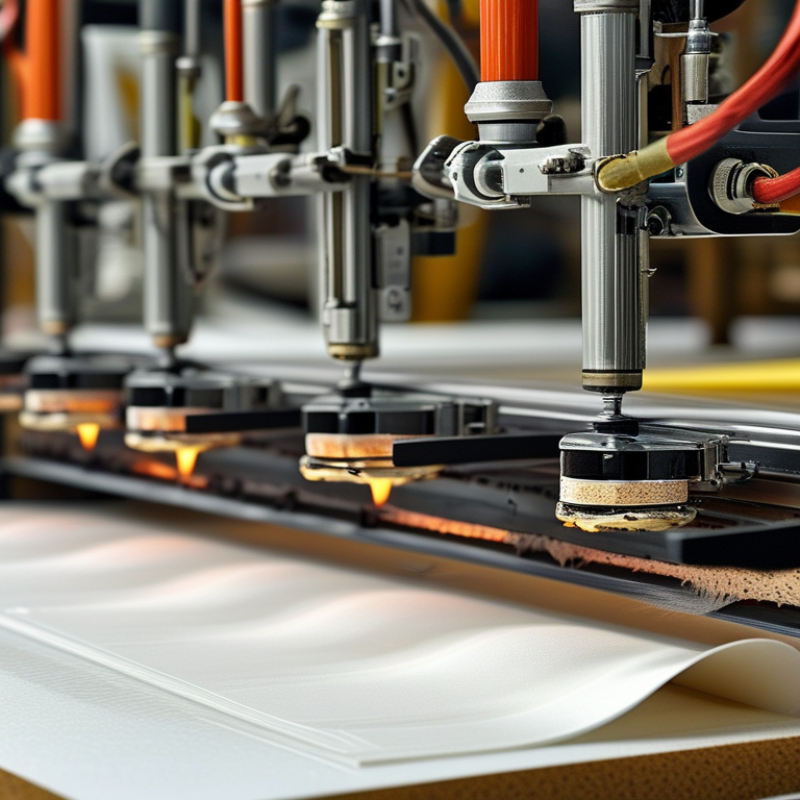
Flame laminating machines bond textiles, foams, films, and similar substrates without adding liquid adhesive. A controlled gas flame briefly melts the foam surface. Pressure then joins it with fabric or film, forming a continuous composite layer. The process suits automotive interiors, furniture fabrics, protective padding, and technical textiles. It can also reduce drying time and adhesive storage needs.
The theory is tidy. In production, it is less forgiving.
A burner mixes fuel and air, while sensors regulate flame width, temperature, and substrate speed. The softened foam must meet the facing material within seconds. Too little heat creates weak bonding; excessive heat can shrink, scorch, or distort the foam. Operators should check flame stability, nip pressure, line speed, and peel strength on every material change.
Market data supports this equipment’s relevance. Grand View Research valued the global flexible packaging market at approximately USD 262.85 billion in 2023, with a projected 4.8% CAGR from 2024 to 2030. Smithers also identifies lightweight, multilayer structures as continuing priorities in flexible packaging development.
These reports do not measure flame laminators directly, but they indicate sustained demand for efficient composite production. Buyers should remain cautious, because reported market growth does not guarantee suitable machine performance. A laboratory trial, measured bond strength, and documented operating records remain more reliable than a sales brochure.
2026 Top Flame Laminating Machine Types for Global Buyers
Main Flame Laminating Machine Types Available to Global Buyers in 2026
Flame laminating machines remain important for bonding foam with textiles, films, and knitted fabrics. The process briefly melts the foam surface before pressure rollers create a strong bond. Smithers reported that global flexible packaging exceeded US$300 billion in 2023, supporting continued investment in efficient web-processing equipment. However, packaging growth does not automatically make every flame system suitable.
Single-sided flame laminators suit standard fabric-to-foam production. They use one burner, a controlled flame gap, and a pressure roller. Double-sided systems process two bonding surfaces in one pass. They can reduce handling, but they require tighter temperature and alignment control. Roll-to-roll machines support continuous production, while sheet-fed designs offer better flexibility for smaller orders. Small batches matter.
Global buyers should also compare open-flame and enclosed-flame configurations. Enclosed designs usually improve heat stability and operator protection, especially in plants with changing airflow. Machine width, burner output, line speed, foam density, and cooling capacity directly affect results. A 1,600-millimeter line may suit upholstery rolls, while narrower equipment can reduce material waste for specialized products.
Grand View Research projects the technical textiles market to grow at about 6% annually through 2030. This trend favors precise, adaptable laminating equipment. Still, published market forecasts are not production guarantees. In practice, buyers should request trials using their actual foam, fabric, and target speed. A machine that performs well in a showroom may behave differently after humidity changes. That detail is easy to underestimate.
| Machine Type | Flame Configuration | Common Substrate Combination | Typical Applications | Typical Working Width | Typical Line Speed | Fuel Options | Best Suited Buyer Profile |
|---|---|---|---|---|---|---|---|
| Single-Sided Flame Laminating Machine | One burner activates one surface of flexible polyurethane foam before pressure bonding. | PU foam with polyester or polypropylene fabric, nonwoven material, knitted fabric, or synthetic leather. | Automotive interior trim, furniture upholstery, mattress components, clothing interlinings, and acoustic coverings. | 1,200–2,400 mm | Approximately 5–35 m/min, depending on foam density, thickness, and bonding requirements. | Natural gas or LPG; compressed air is commonly used for flame control and combustion support. | Converters requiring a cost-effective line for standard two-layer foam-to-fabric production. |
| Double-Sided Flame Laminating Machine | Two controlled burners treat opposite foam surfaces, enabling bonding on both sides in one production pass. | PU foam between two textile layers, two nonwoven layers, or fabric and synthetic leather. | Three-layer automotive fabrics, padded furniture materials, headliners, and multilayer technical textiles. | 1,400–2,400 mm | Approximately 5–25 m/min, with speed limited by simultaneous heat exposure and bonding stability. | Natural gas or LPG with independent burner regulation. | High-volume producers seeking one-pass production of three-layer laminated materials. |
| Roll-to-Roll Flame Laminating Machine | Continuous web unwinding, flame treatment, nip bonding, cooling, and rewinding. | Flexible PU foam with textile, nonwoven, mesh, or coated fabric supplied in rolls. | Continuous production of upholstery, automotive, footwear, bedding, and industrial textile laminates. | 1,200–2,600 mm | Approximately 10–40 m/min for stable, continuous web handling. | Natural gas or LPG; automatic gas trains and flame-failure protection are normally required. | Large converters prioritizing high throughput, reduced manual handling, and consistent roll quality. |
| Sheet-Fed or Cut-Sheet Flame Laminating Machine | Intermittent feeding and bonding of pre-cut foam, fabric, or composite sheets. | Pre-cut PU foam with upholstery fabric, decorative textiles, or shaped interior-trim materials. | Short runs, custom interiors, sampling, replacement parts, and specialty textile products. | 600–1,800 mm | Approximately 3–15 m/min equivalent output, depending on loading and indexing time. | Natural gas or LPG with an enclosed or guarded burner area. | Manufacturers needing flexibility rather than maximum continuous-web productivity. |
| Two-Layer Foam-to-Fabric Laminator | One flame treatment activates the foam surface, followed by a pressure nip that bonds one facing layer. | Flexible PU foam plus polyester fabric, cotton-blend fabric, knitted fabric, or nonwoven. | Seat coverings, mattress ticking, furniture fabric, sports padding, and garment padding. | 1,200–2,400 mm | Approximately 8–35 m/min. | Natural gas or LPG; burner output must match foam thickness and density. | Buyers focused on reliable production of conventional two-layer laminated rolls. |
| Three-Layer Sandwich Flame Laminator | Designed for bonding a foam core between two facing materials, usually with two flame-treatment zones. | Textile–PU foam–textile, nonwoven–foam–fabric, or synthetic leather–foam–textile structures. | Automotive headliners, door panels, padded upholstery, interior trim, and acoustic products. | 1,400–2,400 mm | Approximately 5–25 m/min. | Natural gas or LPG with separate flame-control circuits. | Industrial producers requiring a finished sandwich structure without liquid adhesive application. |
| Modular Flame Laminating Line with Slitting and Rewinding | Continuous flame bonding combined with edge guiding, inspection, longitudinal slitting, and finished-roll rewinding. | Wide laminated rolls of foam, fabric, nonwoven, mesh, or synthetic leather. | Automotive supply chains, upholstery roll goods, bedding materials, and technical textile converting. | 1,600–3,000 mm input width; finished widths depend on slitting layout. | Approximately 10–35 m/min, depending on web tension, roll diameter, and inspection requirements. | Natural gas or LPG; integrated exhaust, guarding, and safety interlocks are important. | Export-oriented converters seeking fewer downstream operations and ready-to-ship roll formats. |
| Laboratory and Pilot-Scale Flame Laminator | Compact single-flame or adjustable flame module for process development and small-batch validation. | Small rolls or sheets of PU foam, textiles, nonwovens, and other heat-sensitive flexible substrates. | Material trials, product development, quality comparison, and customer sample production. | 300–1,200 mm | Approximately 1–10 m/min. | Natural gas or LPG, subject to local laboratory ventilation and safety requirements. | Research centers, universities, technical textile developers, and manufacturers testing new material combinations. |
2026 Top Flame Laminating Machine Types for Global Buyers
Key Performance Differences Among Flame Laminating Machine Configurations
Flame laminating machines differ mainly in heat control, bonding speed, and layer flexibility. Single-flame systems suit foam-to-fabric bonding with stable, moderate output. Twin-flame configurations expose both bonding surfaces, improving adhesion for thicker or uneven foam. However, excessive heat can shrink fabric edges or weaken delicate films.
Multi-layer lines offer better productivity, but they require tighter tension control and accurate flame positioning. A 2024 Smithers report on global nonwovens identifies lightweight technical materials as a growing demand area, where low thermal damage matters. The 2024 Textile Exchange Materials Market Report recorded 124 million tonnes of global fiber production in 2023. That volume increases pressure for consistent, scalable laminating processes.
Real production experience shows that line speed alone is a poor buying metric. A slower machine may deliver stronger peel results and fewer rejected rolls. ISO 6330 washing tests and ASTM D903 peel testing can reveal bonding failures that visual inspection misses. I have seen operators increase flame intensity to fix weak adhesion, only to create brittle foam surfaces. That choice needs review.
Tips: Compare usable width, foam thickness range, burner control, cooling distance, and energy consumption. Request trial data using your actual fabric and foam. Record peel strength before and after washing. Also check whether one operator can safely adjust the line without interrupting production.
The chart compares representative production reference points for common flame laminating configurations. Single-sided systems generally offer lower gas demand and simpler operation, while opposed double-sided and multi-zone systems provide higher web speed, more uniform surface activation, and better suitability for demanding multilayer structures. Actual performance depends on substrate type, flame intensity, web width, operating temperature, and laminate construction.
Choosing the right flame laminating machine starts with the materials, not the catalog. Flame lamination briefly melts a foam surface before pressing fabric or film against it. Different foams react differently. Some need gentle heat, while dense structures require stronger flame exposure.
For flexible foam and knitted fabric, select a machine with accurate flame control, adjustable nip pressure, and stable web tension. A wider working width suits large panels, but a compact model may reduce waste during smaller orders. Check the line speed carefully. Faster production is useless if bonding becomes uneven. Ask suppliers for trial samples using your actual foam, fabric weight, and adhesive-free construction. Test peel strength, appearance, flexibility, and washing resistance where relevant.
Production conditions also matter. Automatic gap adjustment can support repeatability, while precise cooling helps prevent distortion after bonding. Safety systems should monitor flame failure, ventilation, and emergency shutdowns. These features protect operators and improve process reliability. Stable output matters most.
In practice, settings rarely transfer perfectly between materials. I have seen operators increase flame intensity when the real problem was poor fabric tension. That mistake wastes time. Record flame distance, burner width, pressure, speed, and room conditions during every trial. An experienced technician should review these records before approving full production. Even then, allow a small testing run. Materials can vary between batches, and a machine that performs well today may need careful adjustment tomorrow.
Global buyers should evaluate flame laminating machines through safety, compliance, and serviceability. Flame treatment creates intense heat, so guarded burners, flame sensors, and emergency stops are essential. Heat travels. Enclosed heating zones can reduce accidental contact and improve workplace control. A reliable machine should provide clear operating instructions, warning labels, and accessible isolation switches. These features support safer training across different production teams.
Tips: Request electrical diagrams, risk assessments, and maintenance schedules before purchase. Check whether the machine suits local electrical systems, ventilation rules, fire requirements, and workplace standards. Compliance documents should be traceable, current, and supported by recognized testing where required. Do not rely on a certificate alone. Installation quality still matters.
Maintenance affects both safety and laminate quality. Inspect burner openings, ignition components, sensors, guards, exhaust paths, and emergency controls at planned intervals. Remove dust and adhesive residue carefully, especially near heated surfaces. Record inspections with dates, findings, and corrective actions.
Uneven flame treatment may cause weak bonding, surface damage, or wasted materials. Calibration should follow the supplier’s technical guidance and local safety procedures. A checklist helps, but it can create false confidence if operators only sign it. Practical training should include shutdown drills, abnormal flame conditions, and restart controls. Some teams overlook ventilation performance after installation. That oversight deserves review.

