

Global buyers comparing 2026 Mouthpiece Adapter types need more than a product photo. A clean finish can hide a loose fit, an awkward transition, or a connection that wears quickly. Small details matter. Check the interface dimensions, material, insertion depth, and retention method. Then compare those details with the equipment the adapter must connect. If a supplier provides only a broad compatibility claim, ask for a drawing or a sample.
Quality-management expert W. Edwards Deming is often credited with saying, “Without data, you're just another person with an opinion.” That principle applies here: request measurable specifications, documented inspection methods, and clear material information. Deming was not a Mouthpiece Adapter specialist, so this is a quality principle applied to adapter purchasing—not a product-specific endorsement. A supplier’s confident description is useful, but it is not a substitute for fit testing.
This guide outlines common adapter types and the trade-offs buyers should consider. Some designs prioritize a snug, stable connection; others make installation and replacement easier. Threads, sleeves, reducers, and flexible couplers may look similar in a catalog, yet behave differently in use. Start with the required dimensions and operating conditions. Confirm tolerances. Test representative samples where practical. Even then, one sample cannot prove consistent production. That limitation deserves attention, not fine print. The right choice depends on verified compatibility, reliable documentation, and the demands of the intended equipment.
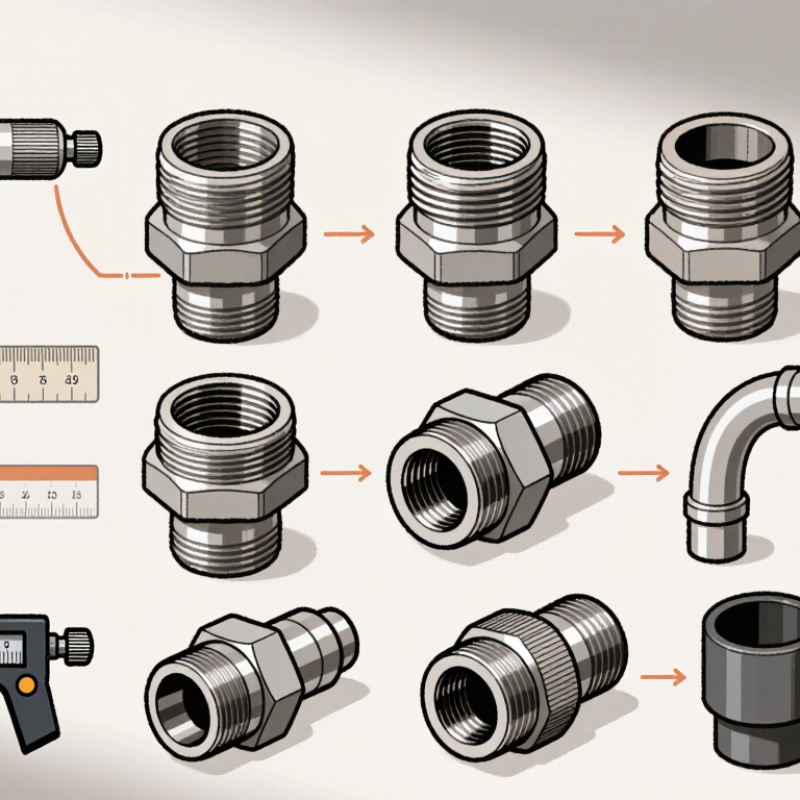
A mouthpiece adapter is a connector that joins a mouthpiece to an opening with a different size or shape. It creates a practical interface between parts that would not otherwise fit together. Common designs include stepped reducers, threaded connectors, slip-fit sleeves, and flexible couplings. Each type suits a different connection method. A stepped adapter narrows or widens the passage in stages, while a threaded model relies on matching threads for a secure fit. Small parts matter.
The adapter works by holding both ends in alignment and limiting unwanted gaps. A close fit helps keep the connection stable and supports a consistent path for air or fluid, depending on the equipment. Some models use a gasket or soft sleeve to improve the seal. Others depend on precise dimensions alone. Buyers should check the inner and outer diameters, connection style, material, and intended operating conditions before choosing. A measurement taken at the wrong edge can lead to a poor fit.
Material choice affects durability, cleaning, and comfort where the adapter touches the user. Smooth surfaces are easier to inspect, but seams and narrow channels can still collect residue. Compatibility charts are useful, yet they may not account for wear or small manufacturing differences. Even a correctly measured adapter can feel slightly loose in an older assembly. A hands-on fit check remains worthwhile.
| Adapter Type | Typical Application | What It Does | Common Materials | Key Buyer Checks |
|---|---|---|---|---|
| Brass Mouthpiece Shank-Size Adapter | Brass instruments with different receiver or mouthpiece-shank sizes, including some trombone and euphonium setups. | Provides a mating interface between a mouthpiece shank and an instrument receiver that would not otherwise fit correctly. | Brass, stainless steel, or other machined metals; some models use plated finishes. | Confirm the instrument model, receiver size, shank dimensions, insertion depth, and whether the adapter is intended for the specific mouthpiece and receiver combination. |
| Trumpet-to-Cornet Receiver Adapter | Selected trumpet and cornet combinations where the receiver and mouthpiece-shank designs differ. | Fits into or over the receiver to accommodate a compatible mouthpiece shank. It changes the physical interface, not the instrument’s basic design. | Typically machined metal, often brass or stainless steel. | Check the adapter’s stated direction of conversion and the receiver geometry. Do not assume all trumpet and cornet mouthpieces are interchangeable. |
| Flugelhorn Mouthpiece Adapter | Some flugelhorns designed to accept a trumpet-style mouthpiece through an adapter. | Adapts the receiver to a compatible mouthpiece shank, allowing a specified mouthpiece type to seat in the instrument. | Usually metal; finish and material depend on the instrument and adapter design. | Verify compatibility with the exact flugelhorn receiver. An adapter should seat securely and maintain an appropriate fit without forcing the mouthpiece. |
| Receiver Insert or Reducer | Brass instruments where a receiver needs a different internal fit for a compatible mouthpiece shank. | Acts as a sleeve or insert inside the receiver to reduce or alter the fitting interface. | Metal, commonly brass or stainless steel. | Check whether the insert is removable, how it is retained, and whether its dimensions match the receiver. Poor fit can affect seating and stability. |
| Mouthpiece Extension Adapter | Instrument setups that require a change in mouthpiece reach or positioning. | Adds a short connecting section between the mouthpiece and receiver. The resulting length and alignment depend on the adapter design. | Metal or, in some applications, durable molded material. | Confirm total added length, connection type, weight, and clearance. Check that the adapter does not place unwanted stress on the receiver. |
| Custom or Model-Specific Adapter | Less common instruments, legacy equipment, or receivers with nonstandard dimensions. | Uses dimensions made for a particular instrument and mouthpiece pairing rather than a broadly interchangeable interface. | Machined metal or engineered polymer, depending on the application. | Request a dimensioned drawing or a verified compatibility list. Confirm tolerances, material, finish, and return terms before ordering. |
Buyer note: A mouthpiece adapter is a connector that helps two specified mouthpiece and instrument interfaces fit together. Names, dimensions, and compatibility are not universal; confirm the exact instrument, receiver, and mouthpiece before purchase. Adapters do not guarantee a particular tone or performance result.